
Website development Australia

Website Development & Web Development Services in Australia

A successful website needs more than attractive pages. It needs reliable technology, intuitive user experience, strong search foundations, fast performance and functionality that supports the way your business actually works.

Prospering Digital provides website development and web development services for businesses across Australia that need websites built for users, search engines and long-term growth.

From custom website development and business websites to integrations, technical SEO and advanced functionality, we develop websites around real business requirements rather than forcing every project into the same template.

Whether you need a new website, a more capable replacement for an existing site or a web development company that understands development and organic search together, our approach connects strategy, design, development, performance and SEO from the beginning.

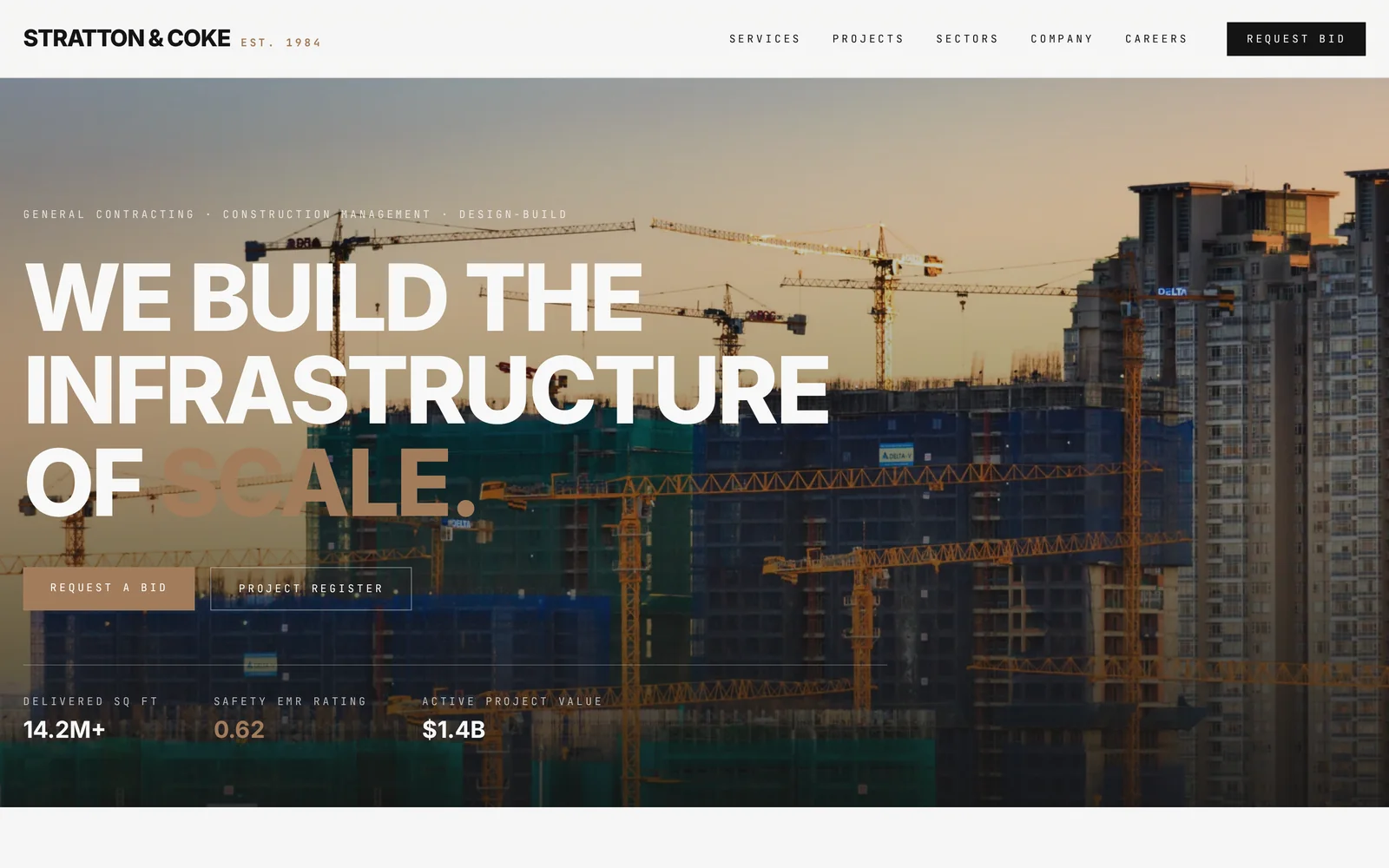
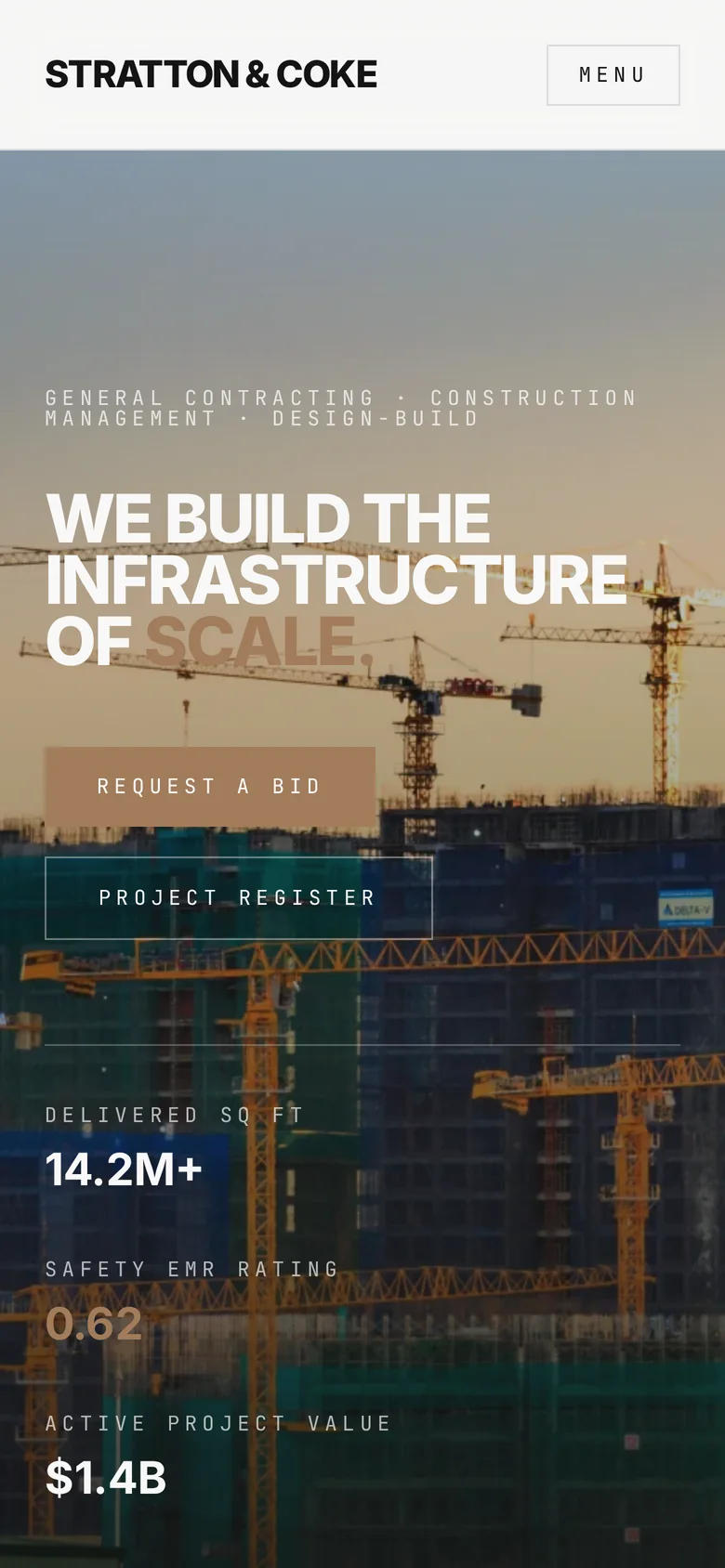
Construction Company website design shown on a laptop and iPhone
01Website development Australia

Web Development Services Built Around Your Business

Different businesses need different levels of development.

A small service business may need a fast, professional website with straightforward lead generation. Another organisation may require custom functionality, integrations, ecommerce capabilities or more complex information architecture.

Our web development services are structured around what the website needs to accomplish.

We consider your users, business goals, content, search strategy, functionality and future requirements before determining the appropriate development approach.

Businesses describe development requirements in different ways. A team looking for custom web design and development may need the same coordinated design and engineering disciplines as a business comparing website design and development services, web design development services or a web design and web development company. The useful question is not the label alone, but whether the provider can connect design decisions, functionality, performance, content and long-term maintainability.

Custom Website Development

Custom website development gives a business greater control over how its website functions, scales and supports its users.

Instead of choosing technology first and adapting the business around it, we start by understanding what the website needs to do.

That can include custom page structures, forms, user journeys, integrations, dynamic content, ecommerce functionality, business tools and other requirements.

Our approach is intended to create a website that fits the business rather than making the business fit a predetermined website.

For more specialised requirements, businesses may compare a custom web development agency, custom website development agency, custom website development service or broader custom website development services. The appropriate model depends on the scope, integrations and level of ongoing technical responsibility required.


Web Design and Development Services

Design and development should work together.

Our web design and development services connect visual design with the technical systems that make the website work.

Layouts, navigation, content hierarchy, responsive behaviour, conversion paths and development decisions are considered as parts of the same experience.

This creates a clearer path from initial planning through design, development, testing and launch.

Depending on how a project is described, businesses may also search for website design and website development or work from a web designer and developer. We treat design and development as connected disciplines while defining the responsibilities included in the agreed scope.

Projects described as custom website design and development should likewise connect the interface, functionality and technical implementation around the same business requirements.

Responsive Website Development

Customers may reach your website from phones, tablets, laptops and larger displays.

Responsive development helps ensure that content, navigation, forms and interactive elements remain usable across different screen sizes.

Responsive behaviour is treated as a core development requirement rather than an addition after the desktop website has already been completed.

Business Website Development

A business website should support more than visibility.

It should help potential customers understand what you offer, establish trust, navigate your services and take the next appropriate action.

We develop business websites around these commercial objectives while also considering search visibility, technical performance and future expansion.

Bespoke Web Development

Some projects require functionality or architecture that standard solutions cannot provide efficiently.

Bespoke development can provide greater flexibility when a business has unique workflows, integrations, content structures or functionality requirements.

The goal is not custom development for its own sake. The goal is to use the appropriate level of customisation for the problem being solved.

Bespoke website development can be appropriate when the required architecture, workflows or integrations cannot be handled efficiently by a standard implementation.

02Website development Australia

Custom Web Development for Requirements Templates Cannot Handle

Templates can be useful when requirements are straightforward.

They can become restrictive when a website needs specialised functionality, integrations, advanced user experiences or unique business processes.

Our custom web development approach begins by defining those requirements and determining which elements can use proven existing technology and which genuinely require custom development.

Custom Features and Functionality

Custom functionality can include calculators, advanced forms, directories, filtering systems, account areas, dynamic content, booking flows, ecommerce features and other business-specific tools.

Before developing a feature, we consider its purpose, user journey, data requirements, mobile behaviour, search implications and maintainability.

That keeps custom development focused on useful functionality instead of unnecessary technical complexity.

API and Third-Party Integrations

A website may need to communicate with CRM systems, email platforms, payment systems, analytics tools, scheduling software, ecommerce services or other business applications.

Where supported by the systems involved, integrations can reduce duplicated work and create smoother experiences for customers and internal teams.

Integration requirements and feasibility are established during project discovery.

Business Systems and Automation

Website development can also support operational processes.

Forms can route information more effectively. Systems can exchange data. Repetitive processes can sometimes be automated. Website interactions can feed appropriate business platforms.

During discovery, we can identify where development could improve the customer journey or reduce unnecessary manual processes.

Custom Databases and Dynamic Experiences

Projects involving structured datasets, directories, user-specific information or frequently changing content may require more advanced data architecture.

Where these requirements form part of the project, they should be planned around usability, performance, security and maintainability so additional functionality does not unnecessarily compromise the website experience.

Existing Website Development and Redevelopment

Not every project needs to start from zero.

An existing website may have valuable content, search visibility, integrations or functionality worth preserving.

In those cases, redevelopment should begin with an assessment of what already works and what needs improvement.

This becomes particularly important when changing platforms or URL structures because redevelopment can affect existing search performance if important URLs, content or technical signals are changed without appropriate planning.

03Website development Australia

Website Development Platforms and Technology

The right development platform depends on the project.

Instead of promoting one technology as the answer for every business, we consider functionality, content management, integrations, ecommerce requirements, scalability, ownership and ongoing maintenance.

WordPress Development

WordPress can be appropriate for businesses requiring flexible content management, extensibility and control over a content-driven website.

Development should still account for performance, software quality, security, responsive behaviour and maintainability.

Shopify and Ecommerce Development

For businesses selling online, ecommerce development needs to connect product discovery, navigation, checkout, mobile usability, performance and integrations.

Platform selection should reflect the requirements and complexity of the store.

CMS Development

A content management system should make routine website management practical without giving editors unnecessary control over elements that could damage layouts or functionality.

We consider both the visitor experience and administrator experience when planning content structures.

Custom Development

When an existing CMS or platform cannot efficiently satisfy the requirements, custom development may be appropriate.

That decision should be based on functionality, scalability and business requirements rather than making a project technically complicated for its own sake.

Choosing the Right Technology for Your Website

The technology underneath a website should support the project rather than define it.

We consider the requirements first and then determine an appropriate development approach based on functionality, management needs, integrations, performance and future plans.

04Website development Australia

SEO-First Website Development

Development decisions can influence whether search engines can efficiently discover, understand and navigate a website.

SEO considerations should therefore be incorporated during website planning and development rather than addressed only after the website is built.

Where included in the project scope, Prospering Digital can incorporate technical and structural search considerations into the development process so the website has an appropriate foundation for subsequent SEO work.

Search-Friendly Website Architecture

Website architecture affects users and search engines.

Services, supporting topics and other important content should have a logical relationship.

Navigation and internal linking should help visitors move through the website while providing search engines with pathways between relevant pages.

For larger websites, planning this architecture before development can reduce the need for significant restructuring later.

Technical SEO Foundations

Depending on the project, technical SEO considerations can include crawlability, indexation controls, canonicalisation, redirects, metadata implementation, XML sitemaps and other relevant technical requirements.

The exact requirements depend on the website.

Considering them during development can help prevent avoidable technical problems at launch.

Schema and Structured Data

Appropriate structured data can help search engines understand information represented on a website.

Where structured data is appropriate, it should accurately represent the visible content and entities on the page.

It should not be used to manufacture reviews, ratings, services, locations or other information that does not genuinely exist.

Core Web Vitals and Website Performance

Development choices affect website performance.

Large assets, excessive scripts, poorly implemented functionality and inefficient page construction can slow a website down.

Performance should therefore be considered throughout development rather than treated exclusively as a final optimisation task.

Website Development for Search and AI Discovery

People can discover businesses through different search and information-retrieval experiences.

Clear site architecture, accessible content, meaningful headings, structured information and technically crawlable pages can make website information easier for supported systems to access and understand.

There is no legitimate way to guarantee inclusion or visibility in Google Search or AI-generated results.

Our focus is therefore on building technically sound websites with information that people and supported search systems can navigate and understand.

05Website development Australia

Websites Developed for Users and Conversions

Traffic has limited business value when visitors cannot understand the website or complete the actions they came to perform.

Development therefore needs to support usability and conversion as well as technical functionality.

Navigation, tap targets, forms, content hierarchy, images, interactive features and calls to action should remain practical across different screen sizes.

Visitors should also be able to determine where they are, what the business provides and where to go next without unnecessary effort.

Conversion-focused development means reducing unnecessary barriers between visitor intent and business action.

Depending on the website, that action might be requesting a quote, making contact, purchasing a product, scheduling a consultation or exploring a service.

The objective is not to fill every screen with calls to action. It is to place appropriate actions where they make sense in the user journey.

Accessible Website Development

Accessibility should be considered during design and development.

Semantic structure, keyboard interaction, readable content, appropriate labels and other accessibility considerations can improve the experience for a wider range of users.

The accessibility and compliance requirements for a specific organisation may vary, so specific requirements should be established during project planning.

Speed and Performance

A visually impressive website should not require users to tolerate an unnecessarily slow experience.

Depending on the project, development can consider image handling, code, third-party scripts, page construction and other performance factors that affect the website experience.

06Website development Australia

Secure and Reliable Website Development

Security and reliability need to be considered from the beginning of a project.

No website can truthfully be described as immune from every possible security problem, but appropriate development and configuration practices can reduce unnecessary exposure and make ongoing management more practical.

Secure Development Practices

Security requirements depend on the technology and functionality involved.

Access controls, software dependencies, forms, integrations and platform configuration can all require consideration during development.

The exact security requirements should reflect the systems and information involved in the project.

Testing and Quality Assurance

Important functionality should be tested rather than assumed to work.

Testing can cover navigation, forms, responsive behaviour, links, integrations, content display, common devices and browsers, technical SEO elements and other project-specific requirements.

The precise QA scope depends on the website being developed.

Maintainability and Future Scalability

A website may need new services, pages, integrations or functionality as the business grows.

Development should therefore consider what happens after launch.

A technically sophisticated solution has limited value when routine updates become unnecessarily difficult.

07Website development Australia

Our Website Development Process

Professional website development benefits from a clear process.

Rather than moving immediately into page construction, we establish the requirements first and progressively turn them into a functioning website.

1. Discovery and Requirements

We begin with the business, users, objectives and required functionality.

This establishes what the website actually needs to accomplish before major design or development decisions are made.

2. Website Architecture and Planning

We determine the required pages, information hierarchy, navigation, functionality and technical considerations.

Where SEO forms part of the scope, relevant search requirements can also be considered at this stage so website architecture and search architecture support one another.

3. UX and Design

Layouts and user journeys are planned around the content and objectives of the website.

Design decisions should support usability rather than interfere with it.

4. Development

Approved structures and designs are transformed into the functioning website.

Responsive behaviour, functionality, CMS requirements and integrations are implemented according to the agreed scope.

5. SEO and Performance Foundations

Where included in the project, relevant technical search requirements and performance considerations are incorporated into the build.

This can include crawlability, metadata implementation, internal structure, redirects where necessary, appropriate structured data and performance optimisation.

6. Testing and Quality Assurance

The website is reviewed across the areas relevant to the project, including functionality, responsive behaviour, links, forms and technical implementation.

Issues identified during the agreed QA process are addressed before launch.

7. Launch

Launch includes more than publishing the website.

Where relevant to the project, redirects, indexation settings, analytics, search-engine accessibility and other launch requirements can be checked.

8. Support and Improvement

Websites continue to change after launch.

Depending on the service arrangement, future work can include updates, maintenance, new functionality, performance improvements and continued SEO work.

08Website development Australia

Website Development Cost in Australia

Website development costs can vary significantly because websites differ in scope.

A straightforward business website and a custom website with complex integrations are not equivalent development projects.

A useful estimate therefore needs to consider what is actually being developed.

Businesses asking about cost for a website development project should distinguish the initial build from ongoing services and third-party costs. A realistic estimate depends on the actual requirements rather than a generic headline figure.

What Does Website Development Cost?

The cost of a website development project can depend on requirements such as the number and complexity of page types, custom design, ecommerce, integrations, functionality, content, SEO requirements and the amount of custom development involved.

Rather than presenting a broad industry figure as though it were a guaranteed Prospering Digital price, projects outside standard package scopes can be assessed according to their actual requirements.

What Affects Website Development Pricing?

Important cost factors can include:

  • Website size and page structures
  • Custom design requirements
  • CMS or platform
  • Ecommerce functionality
  • Integrations and APIs
  • Custom features
  • Content requirements
  • Migration requirements
  • SEO requirements
  • Testing requirements
  • Ongoing support

A web development price therefore needs context.

Comparing proposals solely by the final number can hide significant differences in what is actually included.

Custom Development vs. Template Development Costs

A template-based project can require less development when the business has straightforward requirements.

Custom development generally requires more planning, design, implementation and testing, but it can provide capabilities that a template cannot efficiently deliver.

The appropriate choice depends on what the business needs rather than whether custom development is inherently better.

Website Development Packages

Businesses comparing website development packages should look closely at what each package actually includes.

A useful package should define its scope rather than merely provide a price.

That can include page requirements, design, development, responsive implementation, functionality, integrations, SEO foundations, testing and launch responsibilities where those services form part of the package.

For requirements outside a standardised scope, a custom proposal can be more appropriate than forcing the project into an unsuitable package.

Comparing a web development package, web development packages and different website-development package options is most useful when the inclusions are clear. Packages should be evaluated against design, development, integrations, SEO foundations, testing, launch responsibilities and support rather than price alone.

Ongoing Website Costs

The initial build is not necessarily the final website expense.

Businesses should also consider domains, hosting, third-party software, platform subscriptions, maintenance, future development and marketing requirements where applicable.

Understanding these potential costs before development can make long-term website planning clearer.

Starter Website

$299 USD

Up to 3 Pages

Essential Website

$499 USD

Up to 5 Pages

Business Website

$799 USD

Up to 10 Pages

Growth Website

$1,199 USD

Up to 15 Pages

Pro Website

$1,499 USD

Up to 20 Pages

View Pricing
09Website development Australia

Affordable Web Development Without Cutting Essential Foundations

Affordable web development should not simply mean choosing the lowest possible price.

For many businesses, affordability means paying for the level of functionality and complexity the website genuinely requires.

A smaller project should not be burdened with unnecessary custom development, but reducing scope should not mean ignoring important fundamentals.

A straightforward website can still be responsive, usable, technically sound and planned with future requirements in mind.

That same principle applies when comparing an affordable web development company, affordable web development services or affordable website development. Affordability should be evaluated against scope, ownership, support and the technical foundations actually included.

10Website development Australia

Website Development for Small Businesses

Small businesses often need a website to perform several jobs at once.

It may need to explain services, establish credibility, generate enquiries, support search visibility and provide a platform for future marketing.

Small businesses should therefore consider not only the initial website build but also whether the website can be managed, expanded and marketed effectively afterward.

The appropriate development approach depends on the business.

A straightforward service website should not be burdened with unnecessary enterprise complexity, while a growing business should not be trapped by a solution that cannot evolve with reasonable future requirements.

Businesses comparing website developers for small business projects should consider whether the proposed solution fits their current needs while leaving a practical path for future growth.

11Website development Australia

Choosing a Web Development Provider in Australia

Businesses can choose between freelancers, specialised developers and broader web development agencies.

The appropriate delivery model depends on the scope and requirements of the project rather than simply which provider is geographically closest.

Provider searches can use many overlapping labels. A business may look for an agency for website development, website development agency, web developer agency, web developer company, web development firm, web development and design agency or website design and development agency. Others compare companies for web development, a company for web development, web company options, web design and development companies or website development companies. These labels should not substitute for checking the provider's actual capabilities, process and relevant work.

For company website development, the provider should understand both the public customer experience and the operational requirements behind the site.

Agency web development can be useful when a project requires coordinated work across several disciplines, while a narrower task may be suitable for an individual specialist.

Businesses may also encounter web site development companies and a website developer agency when comparing providers; evaluate the actual scope and capabilities rather than the wording of the label.

Freelancer or Web Development Company?

A freelance web developer can be appropriate for a clearly defined project that closely matches that person's expertise.

A development company or agency can be useful when a project requires coordination between several areas such as UX, design, development, SEO, content architecture, integrations or ongoing support.

Neither model automatically guarantees better work.

The provider's relevant capabilities, process and responsibilities matter more than the label used to describe the business.

When an Agency Can Make Sense

An agency can make sense when a website project crosses several disciplines or requires ongoing coordination between different areas of work.

A specialist freelancer may make more sense for a narrowly defined development task.

Defining the requirements before choosing the provider makes that decision easier.

Questions to Ask Before Hiring a Web Developer

Before selecting a provider, consider asking:

  • What is included in the project scope?
  • Who owns the completed website?
  • Who controls the website accounts?
  • How are project changes handled?
  • How are search requirements considered?
  • What testing occurs before launch?
  • What support is available afterward?
  • How will custom functionality be maintained?

The answers can reveal more about the suitability of a provider than marketing labels alone.

Location-based searches such as web developers near me, website developer near me, web development agency near me, web development companies near me, website development company near me, website development services near me and professional web development agencies near me can help people discover providers. For a remotely delivered project, however, capability, communication, scope and accountability may matter more than physical proximity. Before you hire web developer support, confirm who will actually perform the work and who remains responsible after launch.

12Website development Australia

Web Development for Businesses Across Australia

Prospering Digital provides web development services online for businesses across Australia.

Our business is based in Vancouver, British Columbia, Canada, and Australian projects are delivered remotely.

We do not claim Australian offices or physical locations where we do not have them.

Remote project delivery can include scheduled calls, digital project communication, design and development reviews, staging environments, documented feedback and approvals.

The objective is to provide Australian businesses with a clear development process without creating an artificial local presence.

Australian businesses may search for web development australia, web development in australia, web development company australia, web development company in australia, web development companies in australia, web development agencies in australia or web development services in australia when comparing providers. Similar searches include website development in australia, website development services australia, website development company australia and website development company in australia. Prospering Digital serves this market remotely from Vancouver, Canada, without claiming a physical Australian office.

Searches can also be framed around the person doing the work, including web developer australia, website developer australia, australia web developer, web developer in australia and web developers in australia. For custom requirements, businesses may search custom web development australia or professional web development australia. These phrases describe market intent, but the project should still be assessed on requirements, process, communication and evidence.

13Website development Australia

What to Look for in a Professional Web Development Company

There is no single development company that is objectively the right choice for every project.

The appropriate provider depends on the requirements and priorities of the business.

When comparing development providers, consider evidence of relevant work, technical capability, process, communication, ownership terms, search knowledge, support and how clearly each provider explains what is included.

Terms such as best company for web development, best web development agencies, best web development agency, best web development companies, best web development services, best website developer company, best website developers and best website development company are subjective search phrases rather than objective awards. The same applies to top web developer company, top web development agency, top web development companies, top web development firms, top website development agency, top website development companies and top website development company. Prospering Digital does not claim those labels as independently verified rankings. Businesses should compare evidence, scope and fit instead.

A search for the best web development company in australia is also subjective rather than an independently verified ranking, so businesses should compare evidence, scope, process and fit.

Technical Capability

A development provider should be able to explain how it will approach the project's actual technical requirements.

Complex terminology is not evidence of capability by itself.

Good technical communication should make the proposed solution easier to understand.

SEO Knowledge

Development and SEO can overlap in areas such as architecture, crawlability, performance, redirects and structured information.

When organic search visibility matters to the project, relevant search requirements should be considered during development rather than introduced only after launch.

Transparent Scope and Pricing

A proposal should make it reasonably clear what is and is not included.

That allows businesses to compare providers based on the actual work being proposed rather than headline prices alone.

Ownership and Portability

Before development begins, businesses should understand ownership, account access and what happens if they later change providers.

Third-party software and platforms may have their own licensing and account requirements, so these should also be understood where applicable.

Communication and Project Management

Website projects involve decisions, approvals and dependencies.

A clear process helps both sides understand what is happening, what information is required and what comes next.

Support After Launch

A launch is a milestone rather than the end of a website's useful life.

Businesses should understand what support is available after launch and whether future improvements require a separate service arrangement.

14Website development Australia

Website Ownership and Access

Website ownership and access arrangements should be understood before a project begins.

The specific arrangements can depend on the platform, development scope and third-party services involved.

Where third-party platforms, software, images, fonts or subscriptions are used, their respective licensing and account terms may apply.

Clarifying these arrangements helps businesses understand how the website can be managed, transferred and developed in the future.

15Website development Australia

Website Support After Launch

Websites can require attention after launch.

Content changes. Software changes. Business requirements change. New services are introduced. Search strategies develop. Customers may require new functionality.

Website Maintenance

Maintenance requirements depend on the website's technology and complexity.

Where maintenance services are included or arranged separately, work can include updates, checks, fixes and technical improvements according to the agreed scope.

Updates and Improvements

A website should be capable of evolving rather than remaining frozen at launch.

New content, functionality and user-experience improvements can be introduced as requirements change.

Performance Monitoring

Performance can change as content, scripts, software and functionality are added.

Periodic review can help identify new performance issues that may affect the website experience.

Scaling as Your Business Grows

Scalability is not simply the ability to handle more traffic.

A website may need additional pages, services, locations, products, integrations or internal workflows as the business develops.

Planning for reasonable future expansion can reduce unnecessary redevelopment.

16Website development Australia

Review Our Website Development Work

Businesses considering Prospering Digital can review completed website projects before deciding whether our development approach is appropriate for their requirements.

Our portfolio is intended to provide examples of the design and development work we deliver so prospective clients can evaluate the work itself rather than relying only on marketing claims.

Where a project has documented performance, SEO, conversion or other measurable results that can be accurately supported by project data, those results may be presented separately through an appropriate case study.

We do not claim specific ranking, traffic, performance or conversion improvements unless those results can be supported by actual project evidence.

WEBSITE DESIGNED AND BUILT BY PROSPERING DIGITAL

Construction Company website design shown on a laptop and iPhone

Construction Company

Construction

Ecommerce Store website design shown on a laptop and iPhone

Ecommerce Store

Ecommerce

17Website development Australia

Why Work With Prospering Digital for Website Development?

Prospering Digital approaches website development as part of a broader digital system.

Development decisions can affect search accessibility. Design decisions can affect usability and conversion. Architecture can affect how people and search engines navigate the website. Performance can affect the customer experience. Ownership and maintainability affect what happens after launch.

Bringing those considerations together allows the website to be planned around the broader business requirement rather than treating development as an isolated coding exercise.

The exact services included depend on the agreed project scope.

Businesses can review our work, understand the proposed scope and evaluate our development process before deciding whether Prospering Digital is appropriate for their project.

Our services in web development are intended to connect technical implementation with the wider website strategy. When people use phrases such as services web development, web development services company or web development solutions, the underlying need is usually clearer scope, reliable implementation and a website that can support business requirements over time.

Search language can also include leading web developer agencies or top web development services for digital design. Those phrases do not establish an objective ranking, and Prospering Digital does not present them as awards. We focus instead on the work, scope and process a prospective client can evaluate.

18Website development Australia

Website Development FAQs

What is included in website development services?

The exact scope varies by project.

Website development can include planning, architecture, frontend and backend development, CMS implementation, custom functionality, integrations, responsive behaviour, technical SEO implementation, testing and launch.

The proposal should define which services and deliverables are actually included in the specific project.

What is the difference between web design and web development?

Web design primarily concerns the structure, visual presentation and user experience of the interface.

Web development turns approved requirements and designs into a functioning website and implements the underlying functionality.

Modern website projects often require the two disciplines to work closely together.

What is the difference between a web development agency and a company?

Terms such as agency, company, firm and development provider can describe businesses with overlapping capabilities.

The name matters less than the provider's actual capabilities, project scope, process, responsibilities and relevant work.

Do you provide custom web development services?

Custom development can be scoped when standard website functionality cannot efficiently satisfy the project's requirements.

Depending on the agreed scope, this can include tailored functionality, integrations, dynamic content and other project-specific development.

How much does website development cost in Australia?

Website development costs depend on the scope of the project.

Design requirements, technology, integrations, functionality, ecommerce requirements, content, SEO requirements, migration and the level of customisation can all affect the work required.

Businesses should compare what each proposal includes rather than relying only on the headline price.

How long does website development take?

There is no universal development timeline.

A straightforward website can require substantially less work than a project involving custom functionality, integrations, migration, ecommerce or large amounts of content.

Once the requirements have been established, the project can be scoped more accurately.

Should I hire a freelance web developer or an agency?

A freelance developer can be appropriate for projects closely aligned with one person's capabilities.

An agency can be useful when a project requires coordination between development, design, SEO, UX, content architecture or other disciplines.

Neither model is automatically superior for every project.

Can you develop an existing website?

Existing website development can be considered depending on the current technology and project requirements.

The first step is understanding the current website, what should be preserved and what needs to change.

Can you build custom functionality?

Custom functionality can be scoped when a project requires capabilities beyond standard website features.

We first determine the business and user requirement and then evaluate an appropriate technical solution.

Will my website be SEO-friendly?

Where included in the project scope, SEO considerations can be incorporated into development in areas such as architecture, crawlability, internal linking, performance and technical implementation.

Website development does not guarantee specific Google rankings.

It can provide a technical and structural foundation upon which broader SEO work can operate.

Can you integrate third-party systems and APIs?

Integration requirements can be assessed during project discovery.

Feasibility depends on the systems involved, available APIs, permissions and functionality required.

Who owns the website after development?

Ownership and account arrangements should be clearly established for the specific project.

Third-party platforms, software, fonts, images and subscriptions may have separate licensing or ownership conditions.

Those arrangements should be understood before development begins.

Do you provide support after launch?

Post-launch services can be scoped according to the website and support required.

Depending on the arrangement, this can include maintenance, improvements, additional development and other agreed work.

19Start a project

Build a Website Designed to Grow With Your Business

Your website should support where your business is going rather than simply satisfy today's minimum requirements.

Prospering Digital brings together website development, custom functionality, search foundations, performance, usability and conversion considerations according to the requirements of each project.

Whether you need a new business website, redevelopment of an existing website, custom functionality or a development partner for a more complex project, the first step is understanding what the website needs to accomplish.