Web design Canada

Web Design Services Built for Canadian Businesses

Your website should do more than look professional. It should make your business easy to understand, easy to trust and easy to contact.

Prospering Digital provides web design services for businesses across Canada that need websites built around real business goals. We combine strategy, custom web design, responsive design, user experience, conversion planning and search-friendly structure to create websites that work as well as they look.

Whether you need a completely new website, want to replace an outdated site or need a web design agency that can manage the project from planning through launch, we build around your business instead of forcing your business into a generic template.

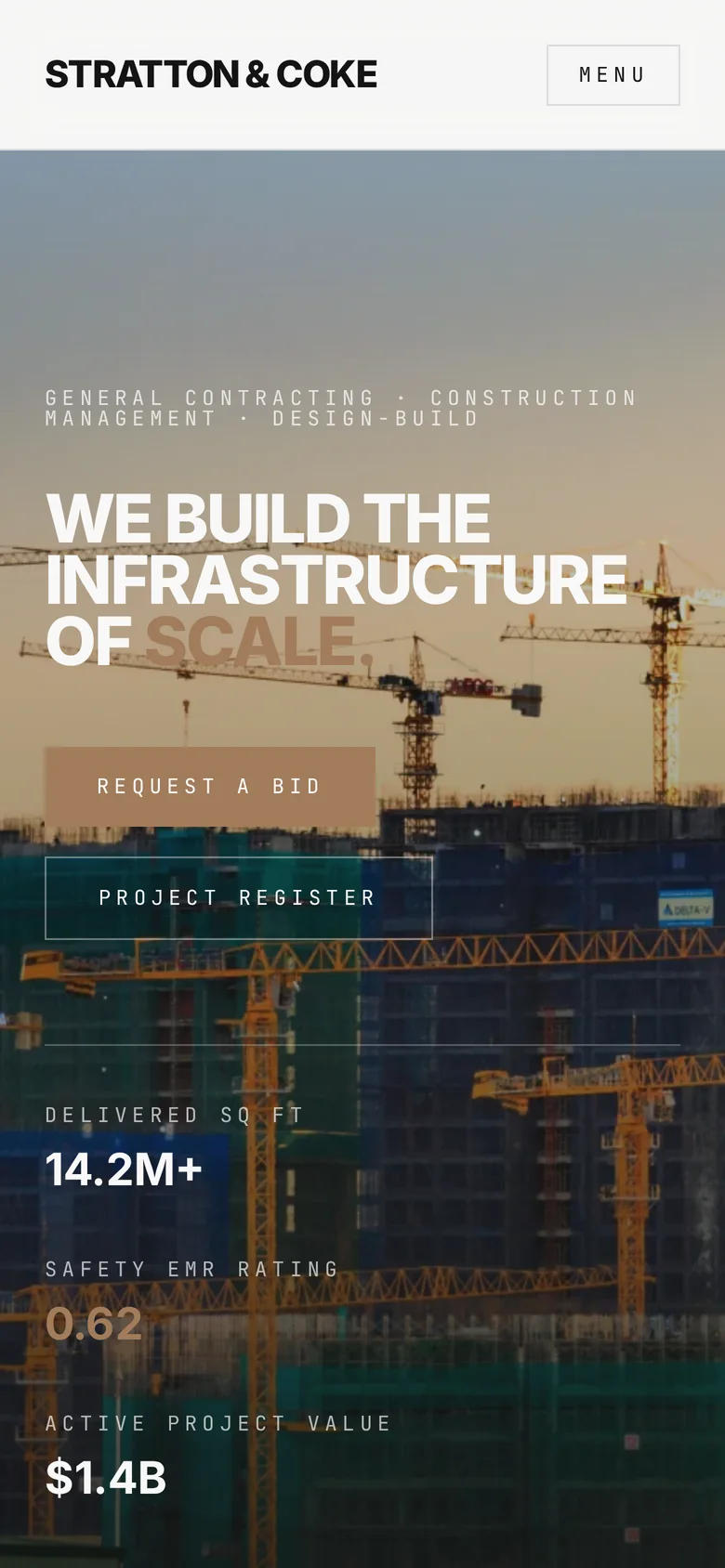
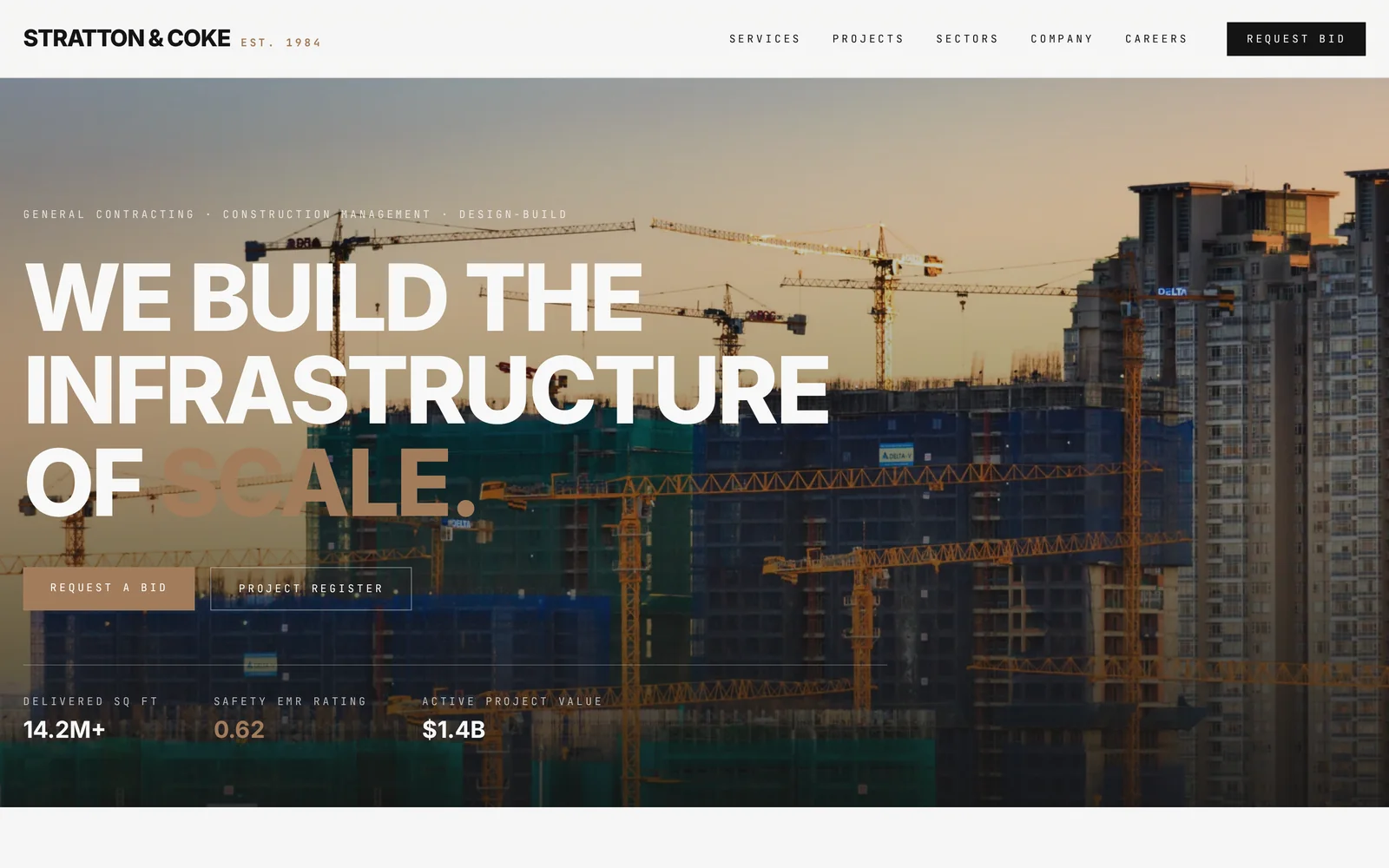
Construction Company website design shown on a laptop and iPhone
01Web design Canada

Website Design Services Built Around Your Business

Good website design starts before colours, fonts or layouts are chosen.

We begin by understanding what your business offers, who the website needs to reach, what those visitors need to find and what you ultimately want them to do.

That information can influence the structure of the website, navigation, content hierarchy, calls to action and individual page layouts.

Depending on the agreed project scope, website design services can include:

Strategy Before Visual Design

Before designing individual sections, we establish what the website needs to accomplish.

That can involve understanding:

  • Your services
  • Your customers
  • Important conversion actions
  • Existing website problems
  • Content requirements
  • Search opportunities
  • Functional requirements
  • Brand direction
  • Future growth requirements

This gives major structural and design decisions a clear purpose.

Information Architecture

Visitors should not need to understand your organisation to understand your website.

Pages and navigation can be organised around the information potential customers need and the relationships between important areas of the business.

Clear information architecture can also provide a stronger foundation for internal linking and search-engine crawling.

UX and Page Structure

We determine how information should flow through important pages before concentrating on visual presentation.

Headings, supporting content, proof, visuals, services, common concerns and calls to action should appear in an order that helps visitors understand the business and decide what to do next.

Visual Design

Once the structure is established, the visual system can support it.

Typography, spacing, imagery, layout, hierarchy and interactive elements are used to make the experience clearer while reinforcing the brand.

Custom website design can be distinctive without making the website unnecessarily difficult to use.

Development and Functionality

Design and development should work together.

The finished website needs to preserve the hierarchy and experience established during design while functioning appropriately across supported devices and browsers.

Where additional functionality or integrations are required, those requirements can be incorporated according to the agreed project scope.

  • Website strategy and planning
  • Information architecture
  • User experience planning
  • Custom page layouts
  • Responsive web design
  • Content organisation
  • Conversion-focused page structure
  • Search-friendly website architecture
  • Forms and contact paths
  • Integrations
  • Development
  • Performance considerations
  • Accessibility considerations
  • Quality assurance
  • Launch preparation

The objective is to create a connected website experience rather than simply assembling a collection of attractive pages.

02Web design Canada

Custom Web Design Instead of a One-Size-Fits-All Website

Every business has different customers, services, priorities and requirements.

Our custom web design process gives those differences room to shape the website.

Instead of starting with a finished layout and trying to make your business fit inside it, we determine what information visitors need, how that information should be organised and which actions matter most.

Custom design can influence page structure, navigation, content hierarchy, reusable components, visual presentation and responsive behaviour.

It can be particularly useful when the website is an important source of enquiries or sales, the business has multiple services or audiences, the customer journey requires explanation, or the project requires functionality that cannot be handled effectively by a simple predetermined layout.

Custom does not automatically mean more complexity.

The objective is to use the level of design and development appropriate for what the website actually needs to accomplish.

03Web design Canada

Responsive Web Design for Phones, Tablets and Desktops

Responsive web design means more than shrinking a desktop page until it fits on a phone.

Different screen sizes affect how people navigate, read information and complete actions.

Our responsive web design approach considers navigation, content hierarchy, forms, typography, imagery, buttons, interactive elements and layouts as available screen space changes.

Important information should remain easy to find. Navigation should remain understandable. Forms and buttons should remain practical to use. Images and media should support the experience without creating avoidable performance problems.

Columns, grids, cards and other visual components should also adapt intentionally rather than simply collapse.

Responsive behaviour is reviewed during the project according to the agreed QA scope so obvious layout and usability problems can be addressed before launch.

04Web design Canada

Web Design That Considers Search From the Beginning

Website design and development decisions can affect how search engines access and understand a website.

Where SEO foundations are included in the project scope, they can be considered while the website is being structured and built rather than addressed only after launch.

Depending on the project, these foundations can include:

  • Crawlable website architecture
  • Logical page hierarchy
  • Heading structure
  • Internal linking
  • Descriptive URLs
  • Metadata implementation
  • Image optimisation considerations
  • Mobile usability
  • Performance considerations
  • Indexability
  • Redirect planning for redesigns or migrations
  • Structured data where appropriate
  • XML sitemap configuration
  • Analytics and search measurement setup where included

Web design and SEO are related but different disciplines.

The purpose is not to turn every web design project into an ongoing SEO campaign. It is to avoid creating unnecessary structural and technical problems that could make future search work more difficult.

These foundations do not guarantee rankings, traffic or specific search results.

05Web design Canada

Website Design Built Around Conversion Paths

Traffic alone does not determine whether a website is useful.

Visitors need to understand what you offer, why it matters and what they should do next.

Conversion-focused web design considers that journey throughout the website.

Clear Value Communication

Visitors should be able to understand the business and its offer without searching unnecessarily through multiple pages.

Calls to Action

Different visitors can be at different stages of the decision process.

Calls to action should appear where they make sense rather than relying entirely on one button at the beginning or end of a page.

Contact Paths

Phone calls, forms, booking options or other appropriate contact methods should be straightforward to locate when they are relevant to the business.

Trust and Proof

Real portfolio work, business information, case studies, processes and other genuine evidence can help answer questions customers have before making contact.

Forms and Lead Capture

Forms should request the information needed for the next step without introducing unnecessary friction.

Measurement

Where analytics or conversion tracking is included in the project, relevant actions can be configured for measurement so website activity can be evaluated after launch.

06Web design Canada

Affordable Web Design Based on the Right Scope

Affordable web design should not mean purchasing the cheapest possible website regardless of what the business requires.

It should mean paying for an appropriate scope.

A small service business with straightforward requirements may not need the same architecture, functionality or level of custom development as a larger organisation with multiple audiences, integrations and hundreds of pages.

Website costs can therefore depend on factors such as:

  • Number and type of pages
  • Custom design requirements
  • Content requirements
  • Functionality
  • Ecommerce
  • Booking or payment systems
  • Integrations
  • Migration requirements
  • Technical complexity
  • Testing requirements

When comparing proposals, businesses should consider what is actually included rather than evaluating the headline price alone.

Potential ongoing costs such as hosting, software licences, third-party applications, maintenance and future development should also be understood where applicable.

Prospering Digital’s pricing page provides information about available website packages and inclusions.

Requirements outside those packages can be scoped separately according to the work required.

07Web design Canada

Web Design for Small Businesses and Professional Firms

Small businesses and professional firms often need their websites to perform several jobs at once.

A website may need to establish credibility, explain services, answer important questions, support search visibility and turn appropriate visitors into enquiries without requiring a large internal marketing team to manage it.

The website should focus on what matters to the specific business rather than adding complexity simply to make the project larger.

Small Business Web Design

For many small businesses, important website requirements can include:

  • A clear homepage
  • Appropriate service pages
  • Strong contact paths
  • Responsive usability
  • Genuine service-area information where relevant
  • Search-friendly structure
  • Easy access to important information
  • Genuine trust and proof
  • Practical content management
  • Room for reasonable future expansion

A smaller website does not need dozens of pages simply to appear comprehensive.

It needs pages that serve a clear purpose.

Professional and Service-Business Web Design

Professional and service businesses may need to establish expertise and trust before potential customers are ready to make contact.

Website structure can help make services, company information, relevant experience, processes and contact paths easier to understand.

Useful proof can include genuine portfolio work, case studies, qualifications, team information or other verifiable evidence appropriate to the business.

Individual service pages can also help visitors understand genuinely different services without forcing the homepage to explain everything.

08Web design Canada

Our Web Design Process

A clear process makes it easier to understand how the project moves from an initial idea to a functioning website.

1. Discovery and Strategy

We begin by understanding your business, customers, services, objectives, existing website where applicable and project requirements.

We determine what the website needs to communicate and what important user journeys need to be supported.

2. Website Architecture and Content Planning

We establish the major pages, navigation, relationships between important areas of content and what information each page needs to communicate.

3. UX and Visual Design

Page structures are translated into a visual experience that considers content hierarchy, responsive behaviour, calls to action and the existing brand.

4. Development

Approved designs are developed into a functioning responsive website with the functionality and integrations included in the agreed project scope.

5. Content and Search Foundations

Approved content, metadata, internal linking and other agreed search-related requirements can be incorporated into the website.

6. Quality Assurance and Review

Relevant layouts, navigation, forms, links, functionality and other agreed requirements are reviewed before launch.

The client also has an opportunity to review the website and provide feedback according to the project scope.

7. Launch and Handover

Once the website is approved and relevant launch requirements are complete, it can be made available to visitors.

Access and handover arrangements are completed according to the project agreement.

8. Post-Launch Options

Where required, available hosting, maintenance, support, additional development or ongoing SEO services can be scoped separately after launch.

09Web design Canada

Web Design Services for Businesses Across Canada

Prospering Digital serves Canadian businesses remotely from Vancouver, British Columbia.

We do not claim physical offices in Canadian cities where we do not have them.

Projects can be managed online through scheduled meetings, review links, staging environments, written feedback and documented approvals.

This allows businesses throughout Canada to work with Prospering Digital without requiring in-person meetings at every stage of the project.

Being based in Canada also means our own business operates within the Canadian market, while the requirements of each client’s specific customers and region are established during project planning.

Where location information is relevant to a client’s website, it should represent genuine business locations or service areas rather than artificial pages or addresses created solely for search visibility.

10Web design Canada

Agency or Freelance Web Designer?

There is no universal answer.

A freelance web designer can be a good fit for projects where the scope aligns closely with one person’s skills, capacity and availability.

An agency can make sense when a project requires coordination across several disciplines.

Depending on the project, those can include strategy, UX, visual design, development, content, SEO, analytics, integrations, quality assurance and ongoing support.

The important question is not simply whether the provider is a freelancer or an agency.

Businesses should determine whether the provider can deliver the actual scope the project requires and how work outside an individual’s or team’s capabilities will be handled.

11Web design Canada

How to Compare Web Design Companies

There is no single web design company that is automatically the right choice for every business.

Instead of relying on labels, businesses can evaluate factors that can actually be examined.

Review Real Work

Look at websites and projects the provider has actually completed where available.

Evaluate the finished experience rather than relying only on screenshots or marketing claims.

Understand the Process

The provider should be able to explain what happens between the initial discussion and launch.

Compare Scope

Two proposals with similar prices can contain substantially different deliverables.

Understand what is and is not included.

Ask About Responsive Design

Determine how different screen sizes and mobile usability are considered and reviewed.

Ask About Search Foundations

Building a website does not automatically produce rankings.

Ask which architectural, on-page or technical search foundations are actually included in the project.

Ask About Ownership and Access

Understand who controls the website, domain, hosting, analytics and other relevant accounts according to the agreement.

Ask About Support

Find out what happens after launch and whether maintenance, hosting or future development are available if required.

Look for Verifiable Proof

Completed projects and other genuine evidence provide more useful information than unsupported claims about being a leading provider.

12Web design Canada

Website Performance and Accessibility

Performance and accessibility can both affect the experience people have on a website.

Performance is influenced by the website’s technology, content and third-party systems.

Depending on the project, considerations can include:

  • Image sizes and formats
  • Scripts
  • Font loading
  • Layout stability
  • Responsive assets
  • Code implementation
  • Third-party integrations
  • Hosting environment
  • Caching where appropriate

No responsible provider can guarantee the same performance result for every website regardless of its functionality and technology.

Accessibility considerations can influence colour contrast, typography, headings, keyboard interaction, forms, alternative text, navigation and other interface decisions.

Specific accessibility or compliance obligations vary by organisation and project and should be established during project planning where applicable.

The objective is to consider performance and accessibility while the website is being designed and developed rather than discovering avoidable problems only after launch.

13Web design Canada

Website Ownership and Long-Term Flexibility

Before hiring a web design provider, businesses should understand what happens after launch.

Relevant questions can include:

  • Who controls the domain?
  • Who controls hosting?
  • Who owns the website design and developed assets under the agreement?
  • Who controls analytics and search accounts?
  • Can the website be transferred?
  • Can another provider work on it?
  • Are recurring services optional or required?
  • How are future changes handled?

The specific project agreement provides the authoritative answer for each Prospering Digital project.

Where third-party platforms, software, images, fonts, plugins or subscriptions are involved, their own licensing and account terms may also apply.

Ownership, access and handover arrangements should be understood before the project begins.

14Web design Canada

Redesigning an Existing Website

A new project does not always need to start from zero.

If your current website contains useful content, existing search visibility, integrations or functionality that should be preserved, redesign planning should account for those elements.

Depending on the website, a redesign can require consideration of:

  • Existing content
  • Current URLs
  • Important existing pages
  • Internal links
  • Redirect requirements
  • Analytics
  • Forms and integrations
  • Brand assets
  • Functionality worth preserving
  • Problems the new website needs to solve

Where URLs change, appropriate redirect requirements should be planned before launch.

Replacing an existing website without understanding what is already valuable can create avoidable problems.

15Web design Canada

Web Design That Can Grow With Your Business

The first version of a website does not need every feature the business might ever require.

It should, however, be planned so reasonable future growth does not automatically require starting again.

Future requirements might include:

  • Additional services
  • New legitimate locations or service areas
  • Content expansion
  • Ecommerce
  • Additional integrations
  • Landing pages
  • Case studies
  • Resources
  • Additional conversion paths
  • Ongoing SEO

Scalability does not mean building everything immediately.

It means making sensible architectural and technical decisions based on known requirements and reasonable future plans.

16Web design Canada

Review Our Website Work

Businesses considering Prospering Digital can review examples of completed website projects before deciding whether our approach is appropriate for their requirements.

Our portfolio is intended to show the type of design and development work we deliver so prospective clients can evaluate the work itself rather than relying only on marketing claims.

Where a project has documented SEO, traffic, conversion or other performance results that can be accurately supported by project data, those results may be presented separately through an appropriate case study.

We do not claim specific ranking, traffic or conversion improvements unless those results can be supported by actual project evidence.

WEBSITE DESIGNED AND BUILT BY PROSPERING DIGITAL

Construction Company website design shown on a laptop and iPhone

Construction Company

Construction

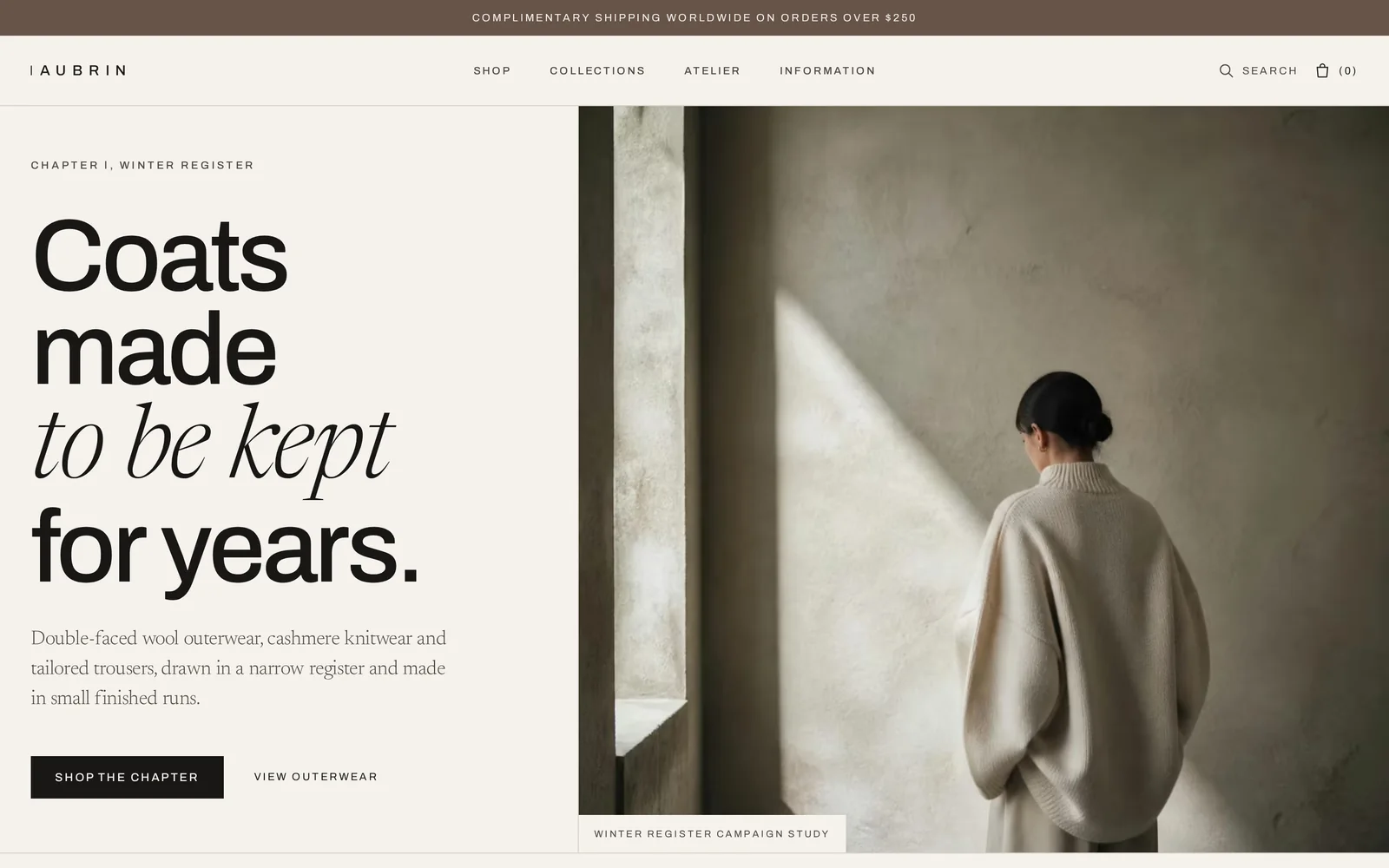
Ecommerce Store website design shown on a laptop and iPhone

Ecommerce Store

Ecommerce

17Web design Canada

Why Work With Prospering Digital?

Our approach brings strategy, UX, custom design, responsive development and search considerations into a coordinated website project.

We believe significant design and development decisions should have a reason.

That reason might relate to usability, clarity, branding, search architecture, accessibility, conversion, performance or another genuine project requirement.

The goal is not to add features simply because another website has them.

Depending on the agreed scope, a Prospering Digital project can include website strategy, information architecture, custom design, responsive development, search foundations, conversion planning, integrations, quality assurance and launch preparation.

Businesses can review our actual work and available website package information before deciding whether to start a project.

Post-launch hosting, maintenance, support, additional development and ongoing SEO can be scoped according to the services required.

18Web design Canada

Frequently Asked Questions About Web Design in Canada

What Are Web Design Services?

Web design services can include website strategy, information architecture, UX design, visual design, responsive layouts, development, content integration, conversion planning, search foundations, forms, integrations, quality assurance and launch preparation.

The exact scope depends on the project.

Does Prospering Digital Provide Web Design Services Across Canada?

Yes. Prospering Digital serves businesses across Canada remotely from Vancouver, British Columbia.

Projects can be managed online without requiring a physical Prospering Digital office in the client’s city.

Do You Offer Custom Web Design?

Custom web design can allow the website’s structure, user experience and visual presentation to be developed around the requirements of the business rather than simply adapting the business to a predetermined layout.

The appropriate design approach depends on the project’s requirements and agreed scope.

Can You Design Websites for Small Businesses?

Yes. Small-business website projects can be structured around the services, customers, budget and requirements of the individual business.

The objective is to include what the website genuinely needs while allowing reasonable future expansion.

Is Responsive Design Included?

Responsive behaviour is considered as part of our website design approach.

The exact devices, browsers, testing requirements and other deliverables covered by a project should be defined within its agreed scope.

Do You Include SEO With Web Design?

Website projects can include agreed SEO foundations such as logical site architecture, heading structure, internal linking, metadata implementation, crawlability and performance considerations.

Ongoing SEO is a separate discipline and should not be confused with building appropriate search foundations into a website.

Can Prospering Digital Redesign an Existing Website?

Existing websites can be redesigned where the project is an appropriate fit.

Redesign planning can consider existing content, URLs, search visibility, analytics, integrations and functionality before replacing the current website.

How Much Does Web Design Cost?

Cost depends on project scope, including page requirements, design complexity, functionality, integrations, content requirements and other deliverables.

Our pricing page provides information about available website packages and inclusions. Requirements outside those packages can be scoped separately.

How Long Does a Website Design Project Take?

There is no universal timeline.

The schedule depends on project scope, content readiness, functionality, integrations, feedback and approval requirements.

A project schedule can be established once the requirements are understood.

Do I Need to Be Located in Vancouver?

No.

Prospering Digital serves Canadian businesses remotely from Vancouver, British Columbia. Projects do not require the client to be located in Vancouver.

Should I Hire a Freelance Web Designer or an Agency?

It depends on the project.

A freelancer can be appropriate when the scope aligns with one person’s expertise and capacity. An agency can be useful when several disciplines need to be coordinated.

The appropriate choice depends on the actual project requirements.

How Should I Choose a Web Design Company?

Review real work, understand the process, compare the actual scope of proposals, clarify ownership and access, determine which search and responsive-design considerations are included, and understand what support is available after launch.

The appropriate provider depends on your requirements rather than a universal “best” label.

Will I Own My Website?

Ownership depends on the project agreement and any applicable third-party licensing or platform terms.

Prospering Digital’s agreement should establish relevant ownership, account access, hosting and handover arrangements for the specific project.

Can You Help After the Website Launches?

Available hosting, maintenance, support, additional development or ongoing SEO services can be scoped separately according to the website’s requirements.

Can My Website Be Expanded Later?

Future expansion should be considered during planning where relevant.

A well-structured website can make it easier to introduce additional services, content, integrations, landing pages, case studies and other functionality as requirements develop.

19Start a project

Build a Website Around Where Your Business Is Going

A website should not exist simply because every business is expected to have one.

It should help people understand your business, evaluate whether it meets their needs and take an appropriate next step.

Prospering Digital combines web design, custom website design, responsive development, search-aware architecture and conversion considerations to create websites for Canadian businesses that need more than a generic online presence.

If you need a new website or want to replace an existing one, start by telling us what the website needs to accomplish.

From there, we can determine an appropriate scope for the project.