Responsive Web Design Services for Businesses Across the USA

Your website should do more than look professional. It should help people understand your business, find the right service, trust what they see and take the next step.

Prospering Digital provides responsive web design services for businesses across the USA, combining custom website design, responsive development, SEO-ready architecture, performance and user experience in one coordinated service.

Every website is approached as a business asset. That means considering how customers search, what they need to know before contacting you, how the experience changes across devices and what needs to happen after the website launches.

Whether you need a new website, a redesign or a stronger digital foundation for a growing company, we build around your business, your customers and the results the website needs to support.

Responsive Web Design Services Built for Every Screen

Responsive web design is not simply a desktop website made smaller.

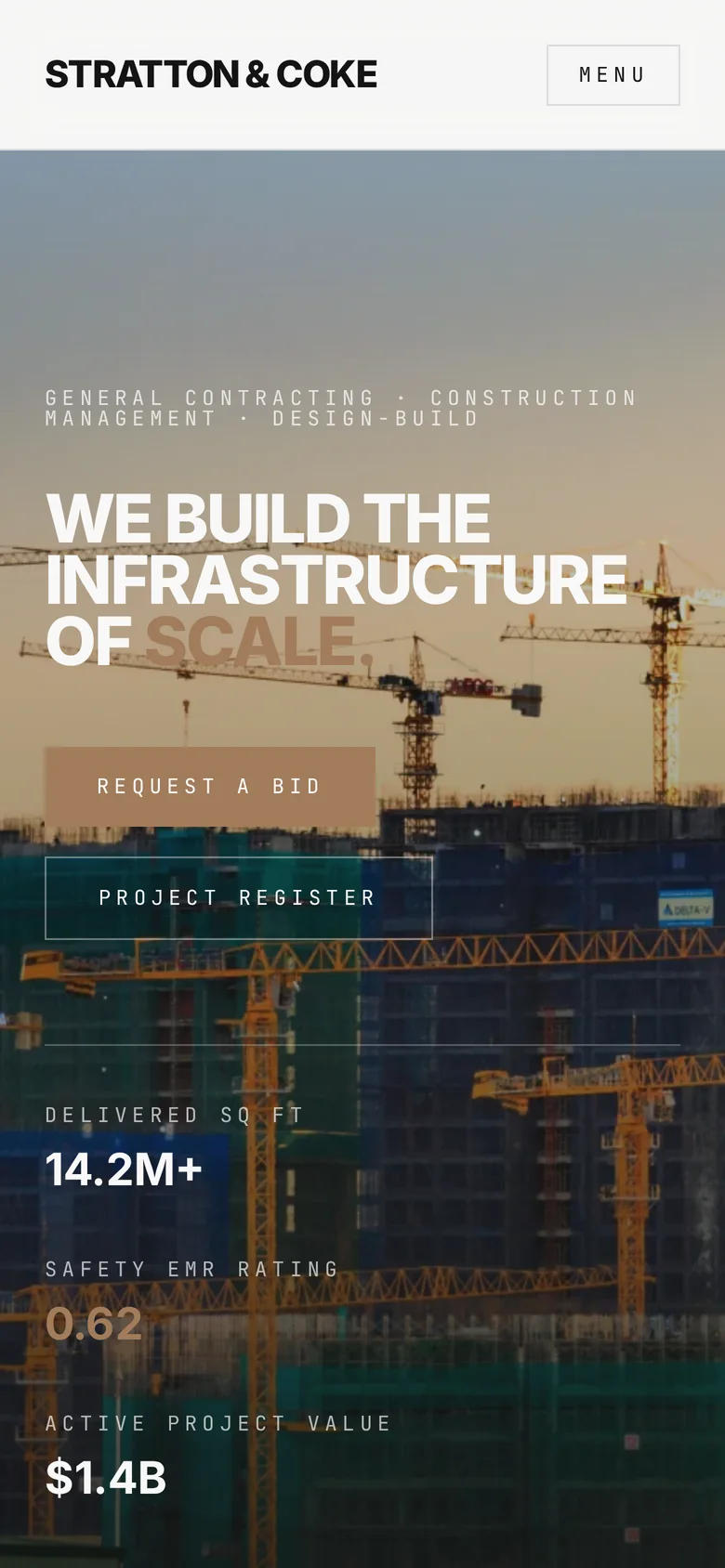
A properly responsive website adapts its layout, navigation, typography, imagery, forms, calls to action and interactive elements as the available screen space changes.

Customers may discover your business on a phone, compare your services on a tablet and return later from a laptop or desktop. The experience needs to remain clear and functional throughout that journey.

Our responsive website design services consider those experiences from the beginning.

Mobile-First Responsive Web Design

Mobile users should not receive a compromised version of your website.

We consider what visitors need to see first, how navigation behaves on smaller screens, where important actions appear, how forms are completed and how content should stack as screen width changes.

The objective is not to make every device display an identical layout. It is to maintain clarity, functionality and brand consistency across different devices.

Responsive Layouts and Navigation

Responsive layouts need to accommodate more than a few predefined device sizes.

Flexible page structures, responsive typography, scalable spacing, responsive images, content stacking, navigation changes, touch-friendly controls, forms and interactive components all need to work together.

Breakpoints are determined by the needs of the layout rather than forcing the website into one desktop version and one mobile version.

Navigation also needs to remain practical on smaller screens. Menus, buttons, forms, quote requests and other important actions should remain easy to reach and use.

Performance, Core Web Vitals and Accessibility

A website can fit perfectly on a phone and still provide a poor experience if it loads slowly, shifts unexpectedly or is difficult to interact with.

Performance considerations can include image optimization, asset delivery, font loading, script usage and layout stability. Core Web Vitals can also be considered as part of the broader performance strategy.

We do not promise an arbitrary perfect performance score regardless of technology, content or third-party integrations. Instead, we make deliberate design and development decisions intended to reduce avoidable performance problems.

Accessibility considerations can include semantic structure, readable typography, appropriate contrast, keyboard usability, meaningful form labels, visible focus states, image alternative text and practical touch targets.

Device and Browser Testing

Responsive behavior should be tested rather than assumed.

Before launch, important layouts and functionality are reviewed across appropriate desktop, tablet and mobile viewport sizes.

Quality assurance can include navigation, forms, buttons, links, imagery, content alignment and interactive functionality, along with browser compatibility where relevant.

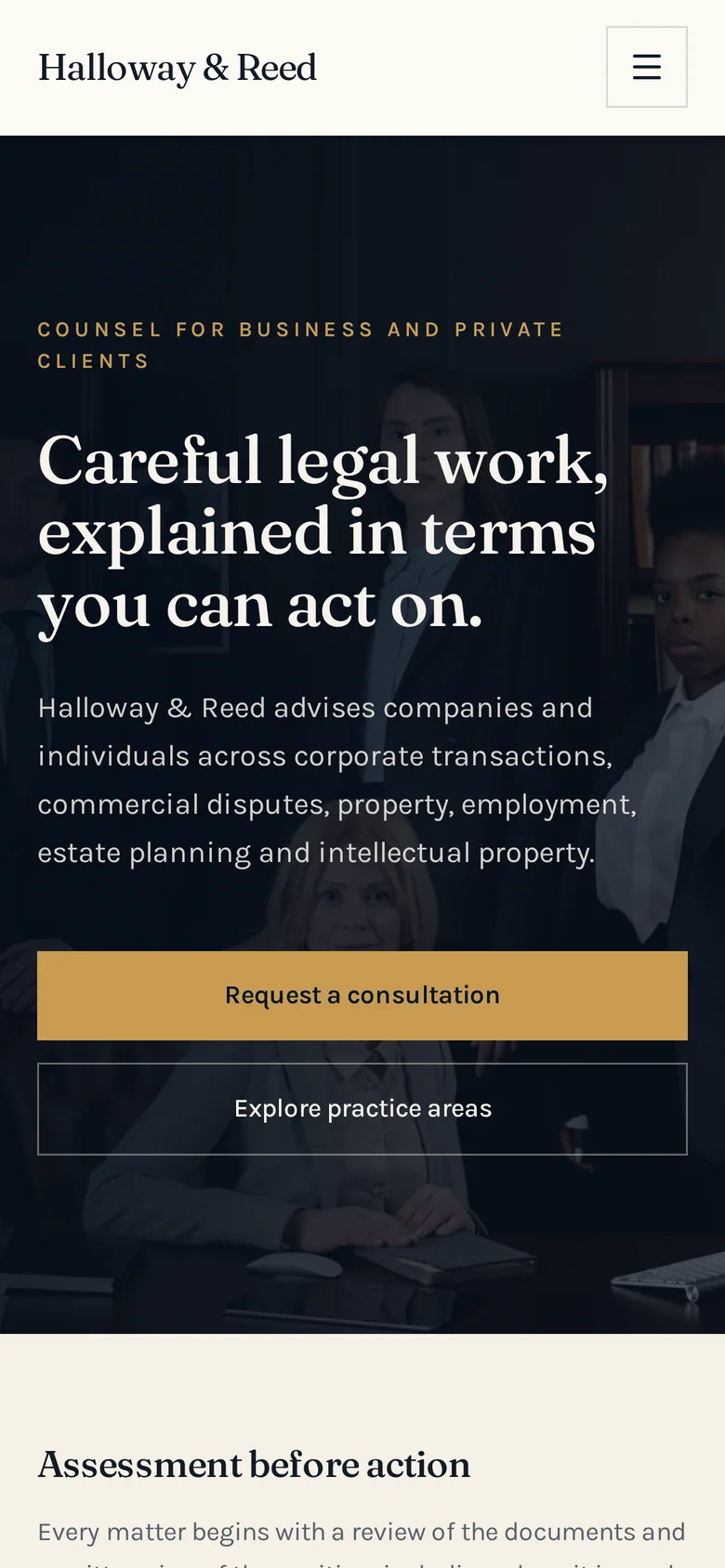
Law Firm website design shown on a laptop and iPhone

Custom Web Design Built Around Your Business

A custom website starts with the business rather than forcing the business into a predetermined structure.

Custom web design can be appropriate when your brand, customer journey, services, functionality or content require greater control over the finished experience.

That can include original information architecture, custom wireframes, brand-specific visual systems, purpose-built page layouts, tailored responsive behavior and functionality selected around the business.

Creative direction can also be developed around the brand through typography, imagery, spacing, layout and interaction without sacrificing usability, accessibility or performance.

For businesses that require a more sophisticated or premium engagement, greater attention can be given to design systems, UX strategy, custom interactions, technical requirements and detailed quality assurance. The depth of the work should define a premium website, not simply the label attached to it.

Custom Web Design vs. Template Customization

Templates are not automatically bad.

For some businesses, a well-chosen framework can reduce development time and cost while still meeting the project's requirements.

Custom web design becomes more valuable when the project requires greater control over information architecture, layouts, branding, responsive behavior, interactions or functionality.

The correct choice depends on what the website needs to accomplish.

Custom Website Architecture and Page Design

A custom website can be structured around how customers actually evaluate the business.

That may include dedicated service pages, genuine service-area information, case studies, resources and focused landing pages where those pages serve a real customer or business purpose.

Important pages can then be designed around the information visitors need rather than an arbitrary template.

This provides greater control over content hierarchy, visual emphasis, calls to action, proof, service explanations and responsive behavior.

Custom Functionality and Integrations

When a project requires functionality beyond standard content pages, those requirements can be identified during scoping.

Forms, booking systems, CRM connections, ecommerce and other integrations can be planned according to the systems involved and the business requirements.

Affordable Web Design and Clear Project Pricing

Affordable web design should not mean paying less now only to rebuild the website later.

Our approach is based on matching the scope of the project to what the business actually needs.

A small service company may not require the same number of pages, integrations or custom features as a larger organization. It still needs a professional, responsive and usable website.

The objective is value through appropriate scope rather than unnecessary compromise.

What Affordable Web Design Should Still Include

A cost-conscious website should not automatically sacrifice the fundamentals.

Depending on the agreed scope, those fundamentals can include responsive design, clear navigation, conversion paths, SEO foundations, appropriate content structure, functional forms, performance considerations and launch quality assurance.

Customization can also be focused where it creates meaningful value, such as information architecture, important page layouts, visual hierarchy, branding and responsive behavior.

Website Design for Small Businesses

Small businesses often need their websites to answer practical questions quickly.

What does the company do?

Is this the right service for me?

Does the company serve my area?

Why should I trust it?

How do I request a quote or contact someone?

A small-business website should make those answers easy to find without adding unnecessary pages or functionality simply to make the project larger.

What Determines Website Design Cost?

Website design cost depends on the work required.

Factors can include:

  • Number and type of pages
  • Level of custom design
  • Content requirements
  • Copywriting
  • Ecommerce functionality
  • Integrations
  • Custom functionality
  • SEO requirements
  • Migration work
  • CMS requirements
  • Animation and interaction
  • Third-party systems

A five-page informational website and a large custom website should not be priced as though they are the same project.

Clear scoping helps determine what the project actually needs before unnecessary functionality is added.

Compare the Complete Project Scope

A headline price does not tell you whether two proposals include the same work.

Important areas to compare can include:

  • Page allowance and project scope
  • Level of custom design
  • Responsive development
  • SEO inclusions
  • Forms and functionality
  • Analytics requirements
  • CMS functionality
  • Revision scope
  • Project timing
  • Hosting and support requirements
  • Ownership and handover
  • Important exclusions

Prospering Digital publishes website package and ongoing care-plan pricing so businesses can review available options before beginning a conversation. Projects outside those packages can be scoped separately.

Web Design for Service Businesses and Professional Firms

Service businesses often need one primary outcome from their website: qualified enquiries.

Customers need to understand what is offered, who it is for, whether the company serves their needs and what to do next.

That makes clear service architecture especially important.

Important services should be easy to find and understand. Where individual services represent genuinely different customer needs, dedicated service pages can provide greater depth than trying to explain everything on the homepage.

Professional-services companies may also need to establish greater trust before a visitor is willing to make contact.

Depending on the business, useful evidence can include genuine team information, qualifications, project examples, case studies, company information and clear explanations of the service process.

Some services involve longer buying journeys, so the website may need to support visitors who are researching, comparing providers or preparing to speak with the company.

Dedicated industry pages can address genuinely different industry requirements without forcing a general web design page to cover every possible vertical.

Conversion-Focused Web Design

Traffic alone does not create customers.

A website needs to help relevant visitors understand the business, reduce uncertainty and identify the appropriate next step.

Clear CTA Hierarchy

Not every visitor is ready for the same action.

Someone ready to begin may want a quote. Another visitor may need to view previous work, understand the process or evaluate the service first.

Calls to action should support those different stages without filling every section with competing buttons.

Trust at the Point of Decision

Trust information is most useful where visitors are making decisions.

Depending on the business, this may include real project examples, credentials, clear contact information, genuine reviews where available and transparent explanations of what happens next.

Reducing Form Friction

Forms should request the information actually needed for the next step.

Unnecessary fields can make simple enquiries harder, particularly on mobile devices.

Analytics and Conversion Measurement

Measurement helps determine what visitors actually do after arriving.

Depending on the project's configuration, this can include website analytics, Google Search Console, form submissions and defined conversion events.

Additional call, booking, ecommerce or CRM tracking can be considered where required.

SEO-Friendly Web Design From the Beginning

SEO considerations should be included during website planning and development rather than addressed only after launch.

Website architecture, navigation, internal links, content structure and development decisions can affect how search engines discover and understand the site.

Our web design process therefore considers SEO foundations during planning and development without turning the website project into a substitute for an ongoing SEO campaign.

Search-Intent Website Architecture

A website should organize content according to what customers are actually looking for.

Services with genuinely different intent may deserve dedicated pages. Closely related wording representing the same service does not require separate pages simply because the wording changes.

This creates a cleaner website architecture while allowing important pages to cover their subjects comprehensively.

On-Page SEO Foundations

Depending on the signed project scope, implementation can include page titles, meta descriptions, heading hierarchy, internal links, image optimization, canonicalization and structured data where appropriate.

Technical Search Foundations

Technical considerations can include crawlability, XML sitemaps, robots directives, indexation settings, canonical signals and other requirements affecting how search engines access the website.

Internal Linking

Important pages should not exist in isolation.

Logical internal links help visitors discover related information and help search engines understand relationships between content.

Protecting SEO During Website Redesigns

A redesign requires additional care when an existing website already has indexed pages or organic visibility.

Migration planning can include existing URL review, redirect mapping, content-preservation decisions, metadata, internal links, canonical signals, sitemap updates and post-launch checks.

No web design company can guarantee unchanged rankings after a migration, but careful planning can reduce avoidable problems.

Our Web Design Process

A structured process turns a broad request for a website into specific decisions and deliverables.

  1. 01

    1. Discovery

    We establish the business goals, audience, services, website requirements, functionality, content needs and project scope.

  2. 02

    2. Website Strategy

    We determine the proposed website architecture, important user journeys, search considerations and conversion paths.

  3. 03

    3. Wireframes and Page Structure

    Important page structures can be planned before final visual styling so hierarchy and usability are considered deliberately.

  4. 04

    4. Custom Design

    Approved structures are translated into the visual experience using appropriate branding, typography, imagery, components and interface patterns.

  5. 05

    5. Responsive Development

    The approved design is implemented with the responsive behavior and functionality required by the project.

  6. 06

    6. SEO Foundations

    Applicable on-page and technical search foundations are incorporated according to the project scope.

  7. 07

    7. Content Integration

    Approved copy, images and other media are incorporated and reviewed within the actual layouts.

  8. 08

    8. Quality Assurance

    The website is reviewed for responsive behavior, navigation, forms, links, functionality and other launch-critical issues.

  9. 09

    9. Client Review

    The website is presented for review and agreed revisions are addressed according to the project scope.

  10. 10

    10. Launch Preparation

    Applicable domain, analytics, redirect, sitemap and indexation requirements are prepared.

  11. 11

    11. Launch and Handover

    The approved website is launched and relevant access or editing information is transferred according to the project's configuration.

  12. 12

    12. Post-Launch Support

    Where required, ongoing hosting, maintenance, support, development or SEO can continue after launch according to the services selected.

What We Check Before Website Launch

A finished design is not automatically a launch-ready website.

Depending on the technology and project scope, quality assurance can include:

  • Responsive layouts
  • Mobile usability
  • Navigation and buttons
  • Forms and conversion functionality
  • Internal and external links
  • Images and media
  • Page headings and metadata
  • Redirects where required
  • Canonical configuration where applicable
  • XML sitemap availability
  • Robots and indexation directives
  • Analytics configuration
  • Browser compatibility
  • Performance considerations
  • Accessibility checks
  • 404 behavior
  • SSL and security configuration where applicable

The exact checklist varies by project. The principle does not: important functionality should be checked before customers are expected to rely on it.

Remote Web Design Services Across the USA

Prospering Digital provides remote web design services to businesses throughout the United States.

We operate online from Vancouver, British Columbia, Canada and do not create artificial U.S. locations or claim offices where we do not have them.

Projects can be coordinated digitally through scheduled communication, online design reviews, staging environments, documented feedback and approvals.

A remote web design project should still have structure. Clients need to understand what information is required, when work will be reviewed, how feedback is handled, what stage the project has reached and what happens next.

A defined workflow allows strategy, design, development, review and launch preparation to be coordinated effectively regardless of state.

How to Choose a Web Design Provider

Businesses can choose between freelancers, agencies and DIY website platforms.

The appropriate choice depends on the complexity of the project, available budget, internal resources and the role the website plays in the business.

A DIY platform may be suitable when the business is comfortable handling strategy, design, content and setup internally.

A freelancer can be a good fit when the project aligns closely with one person's capabilities and availability.

A web design agency can be useful when a project requires several disciplines or a more structured workflow.

The label itself does not determine quality.

When evaluating a provider, consider:

  • Real portfolio work
  • Project process
  • Scope and deliverables
  • Responsive-design approach
  • SEO considerations
  • UX and conversion thinking
  • Communication
  • Ownership and access
  • Quality assurance
  • Revision process
  • Post-launch support
  • Pricing transparency

The better question is whether the provider can successfully deliver the actual requirements of your project.

Web Design Portfolio and Real Project Proof

A website design agency should be evaluated using work that visitors can inspect.

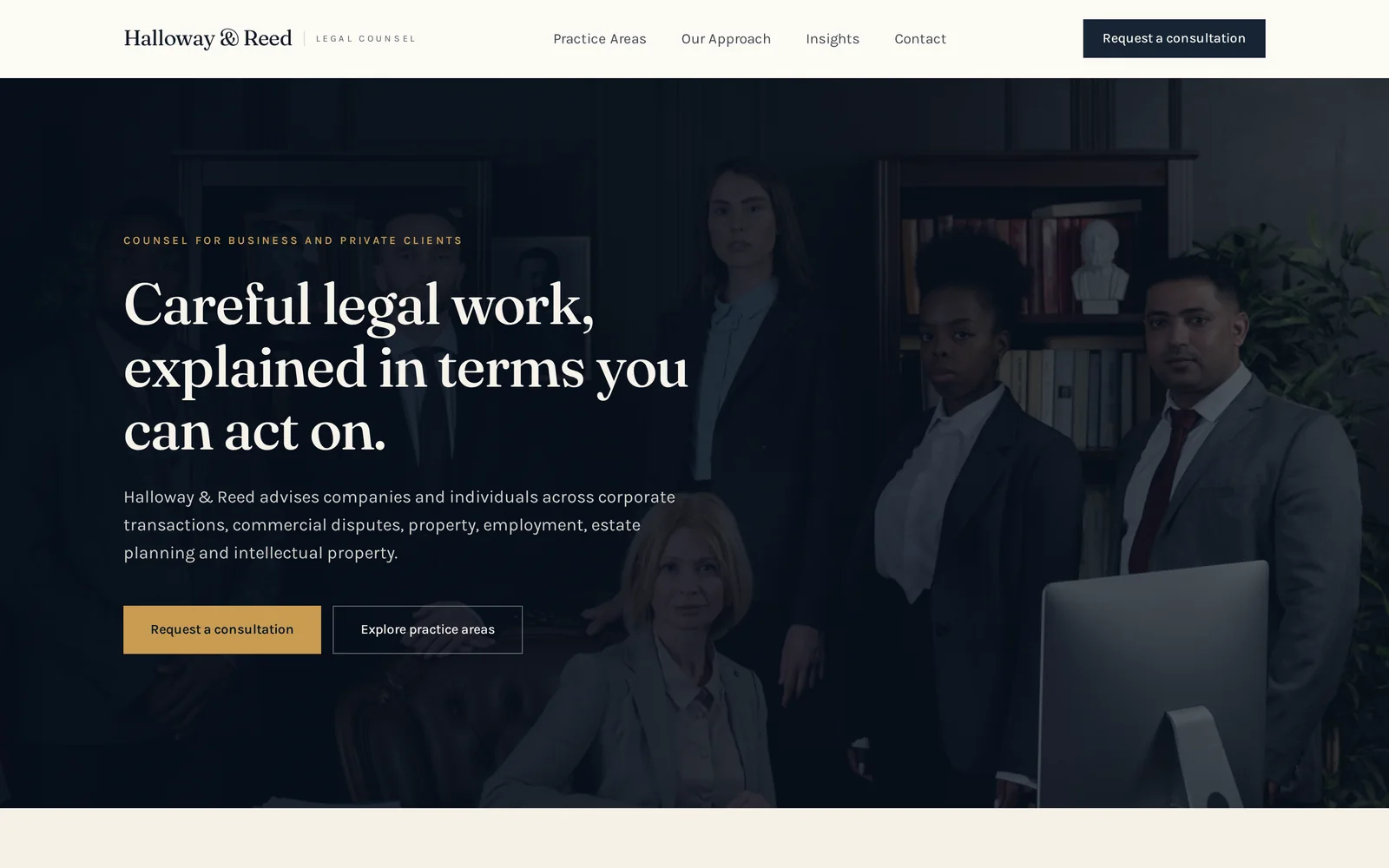
Prospective clients can open and evaluate the website examples shown below.

These examples provide a more useful picture of design quality, responsive behavior, development and the finished experience than unsupported marketing claims.

Where case studies are available, they can also provide context around the project's challenge, approach and delivered solution.

WEBSITE DESIGNED AND BUILT BY PROSPERING DIGITAL

Law Firm website design shown on a laptop and iPhone

Law Firm

Legal

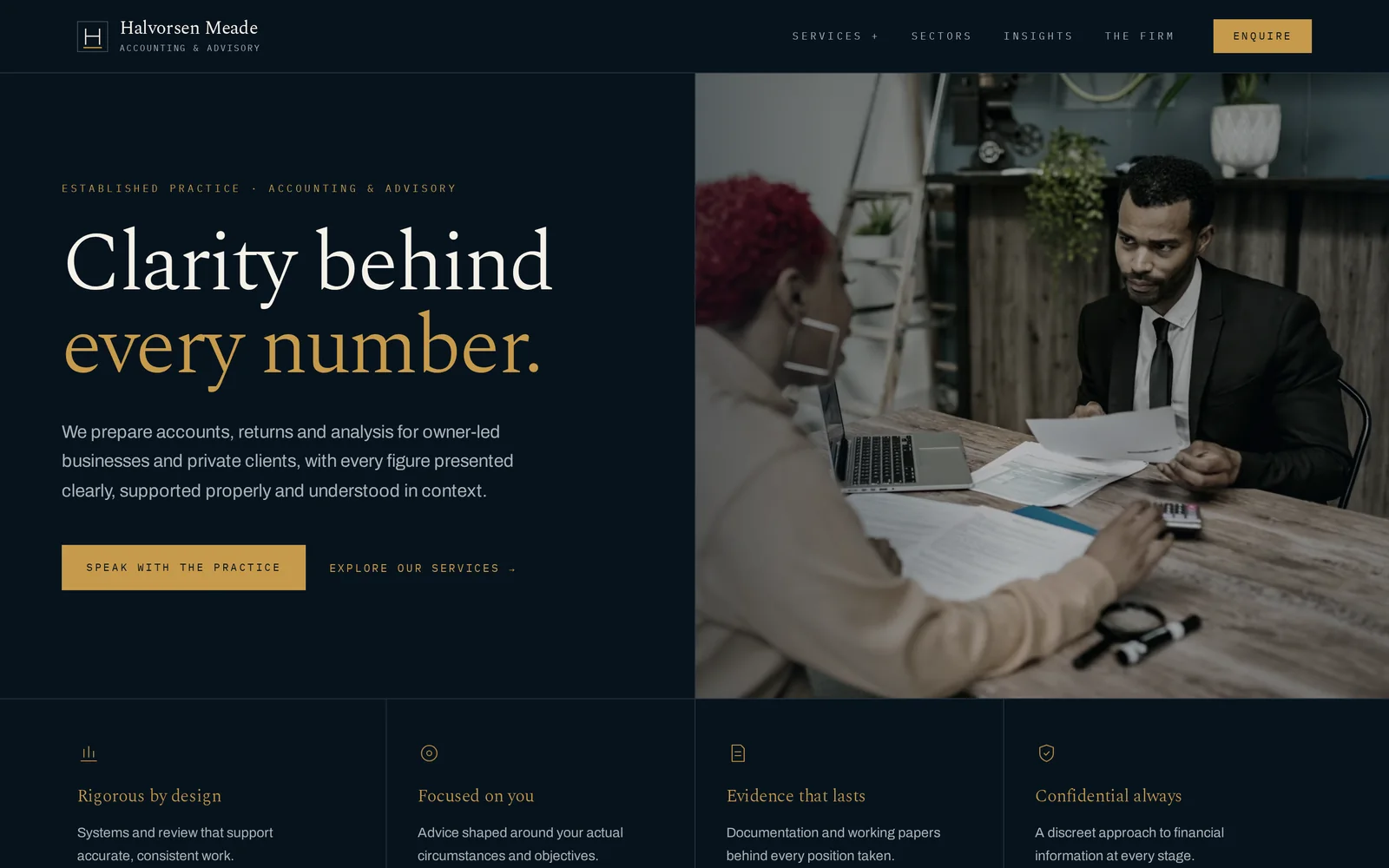
Accounting Firm website design shown on a laptop and iPhone

Accounting Firm

Accounting

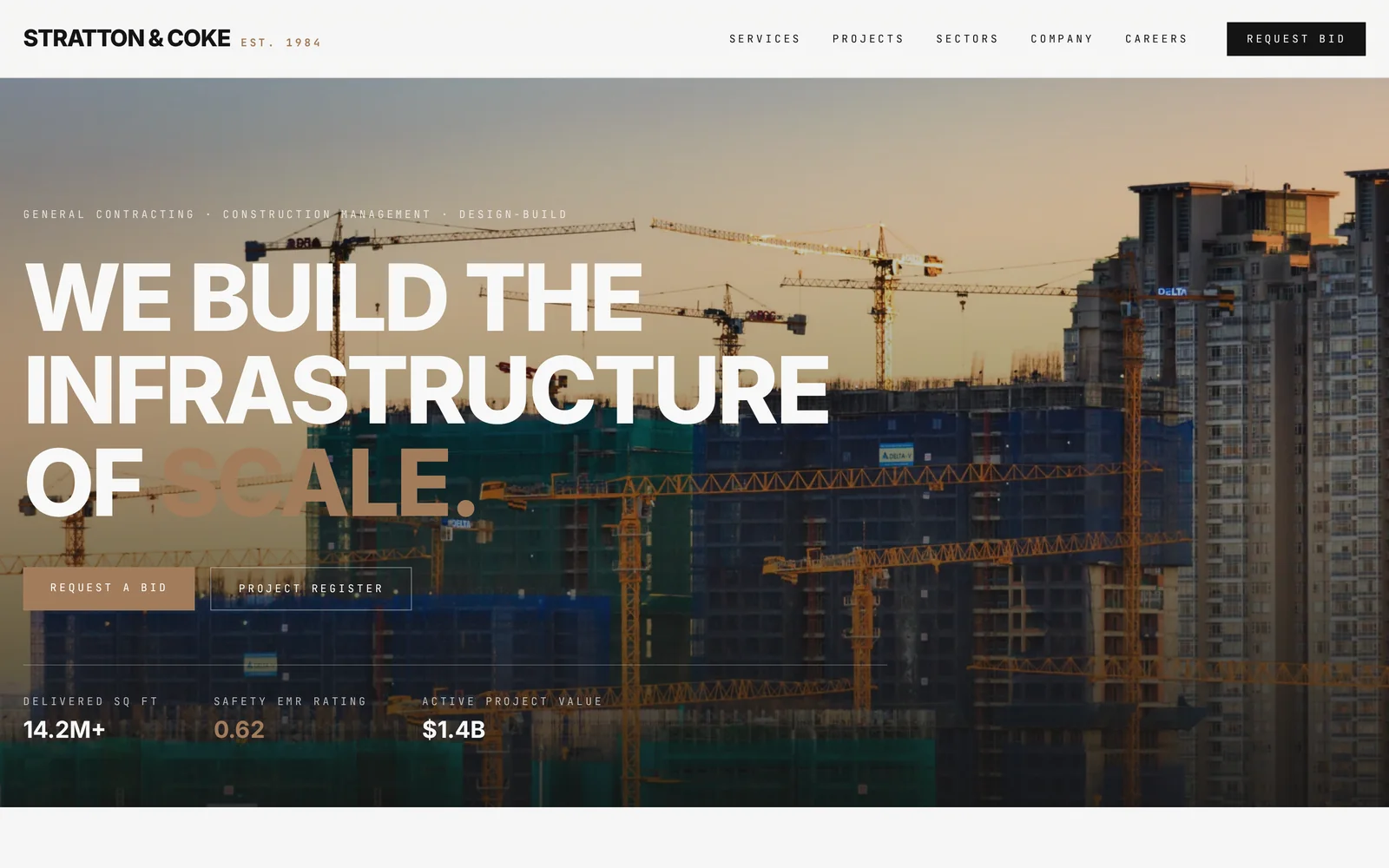
Construction Company website design shown on a laptop and iPhone

Construction Company

Construction

View Our Work

Why Businesses Choose Prospering Digital

Our approach connects the parts of a website project that need to work together while keeping the scope tied to the requirements of the business.

Responsive Design From the Beginning

Responsive behavior is considered during design and development rather than added as a final mobile adjustment.

SEO-Aware Architecture

Search considerations can influence website architecture, content structure, internal linking and technical implementation from the beginning.

Custom Project Strategy

The project is scoped around the business rather than assuming every client needs the same website.

Published Pricing

Website package and ongoing care-plan pricing is available for businesses that want to understand available options before requesting a quote.

Real Work

Prospective clients can open and evaluate the website examples shown on this page rather than relying solely on unsupported claims.

Website Ownership

Ownership, account access and agreed handover items are defined in the signed project proposal.

Post-Launch Support

Businesses can manage their website internally or continue with Prospering Digital's existing hosting, maintenance and support services after launch.

Frequently Asked Questions About Web Design

What Are Responsive Web Design Services?

Responsive web design services involve designing and developing a website so its layout and interface adapt appropriately to different screens and devices. This can affect navigation, typography, imagery, content positioning, forms, buttons and interactive elements.

What Is Included in Your Web Design Services?

The exact scope varies by project. It can include strategy, UX, visual design, responsive development, SEO foundations, content integration, forms, integrations, quality assurance and launch preparation.

How Much Does Professional Web Design Cost?

Cost depends on project scope, page count, design complexity, functionality, content, integrations, ecommerce requirements, SEO requirements and migration work. Prospering Digital publishes website package and ongoing care-plan pricing, while projects outside those packages can be scoped separately.

What Is the Difference Between Custom Web Design and a Template?

A template begins with an existing design framework. Custom web design provides greater control over architecture, layouts, visual systems, responsive behavior and functionality. The appropriate option depends on what the project needs to accomplish.

Do Your Web Design Services Include SEO?

SEO foundations can be incorporated into architecture and development, including crawlability, page structure, internal linking, headings, metadata, image optimization and technical considerations according to project scope. Ongoing SEO is broader than building an SEO-ready website.

Can You Redesign an Existing Website?

Yes. A redesign can address visual design, usability, structure, responsiveness, performance and marketing requirements. Existing URLs and SEO considerations should be reviewed before major structural changes.

Can You Protect Existing SEO During a Redesign?

A redesign can include migration planning such as reviewing existing URLs, redirects, internal links, metadata, important content, canonical signals and sitemaps. Rankings cannot be guaranteed, but careful migration can reduce avoidable SEO problems.

Can I Update the Website Myself?

That depends on the technology and project configuration. When an editable content system is included, appropriate access and handover information can be provided.

Can You Integrate Booking, CRM, Ecommerce or Other Systems?

Integrations can be evaluated during project scoping. Feasibility depends on the systems involved, available integration methods and required functionality.

Do You Work With Businesses Throughout the USA?

Yes. Prospering Digital is an online business based in Vancouver, British Columbia, Canada and works remotely with businesses throughout the United States.

How Long Does Website Design Take?

Timing depends on project scope, page count, functionality, content readiness, feedback and revisions. The project timeline is established from the actual requirements rather than applying the same turnaround to every website.

What Happens After My Website Launches?

The website can be handed over for internal management, or ongoing hosting, website maintenance and support can continue through Prospering Digital according to the services selected.

Start Your Web Design Project

Your website should reflect where your business is going, not simply give your company somewhere to exist online.

Tell us about your business, what is not working with your current website or what you want a new website to accomplish.

We can use that information to determine the required scope and appropriate next step.

Prospering Digital

Worldwide online business based in Vancouver, British Columbia, Canada.