
Web Developer Singapore | Business & Custom Website Development
Your website should help customers understand your business, find the information they need, and take action with confidence. It should also be practical for your team to update, maintain, and improve as your business evolves.
Prospering Digital is a contact point for discussing website development requirements, whether you are planning a new business website, exploring custom functionality, or considering improvements to an existing platform.
For businesses serving customers in Singapore, website decisions may involve local purchasing expectations, mobile usability, Singapore dollar pricing, personal data handling, payment integrations, and support for customers across different markets.
The right solution depends on your audience, business objectives, functional requirements, and budget not simply on choosing the most complex technology.
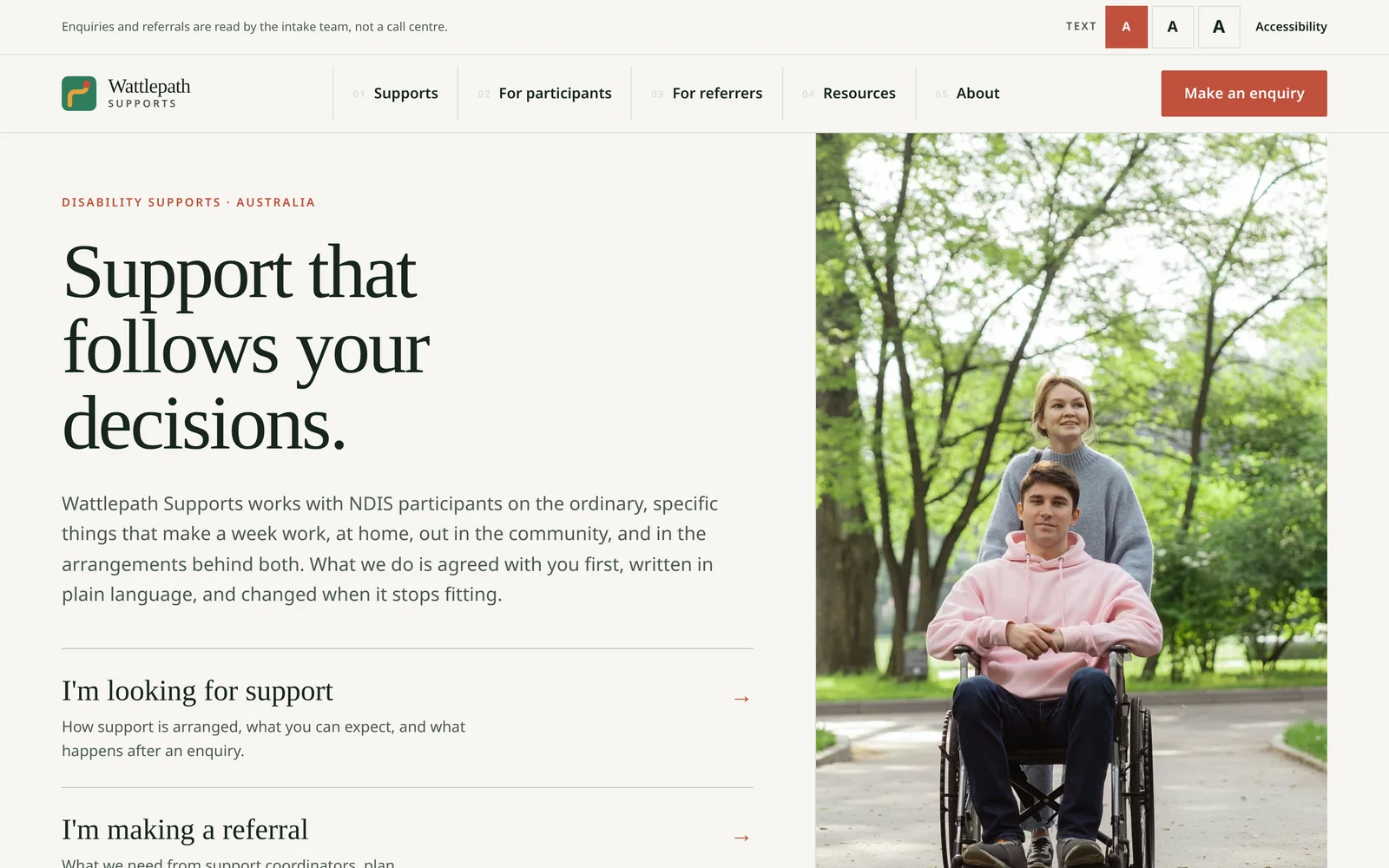
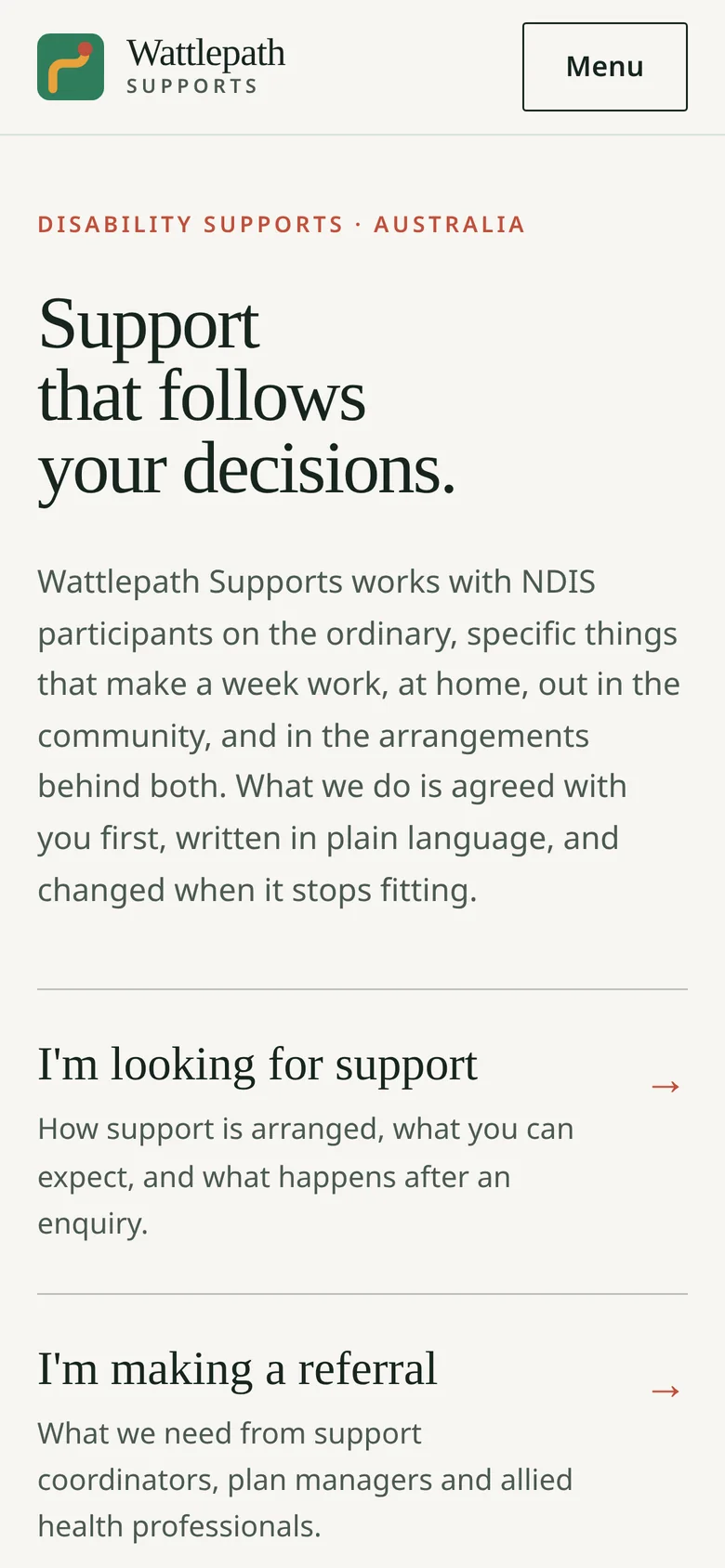
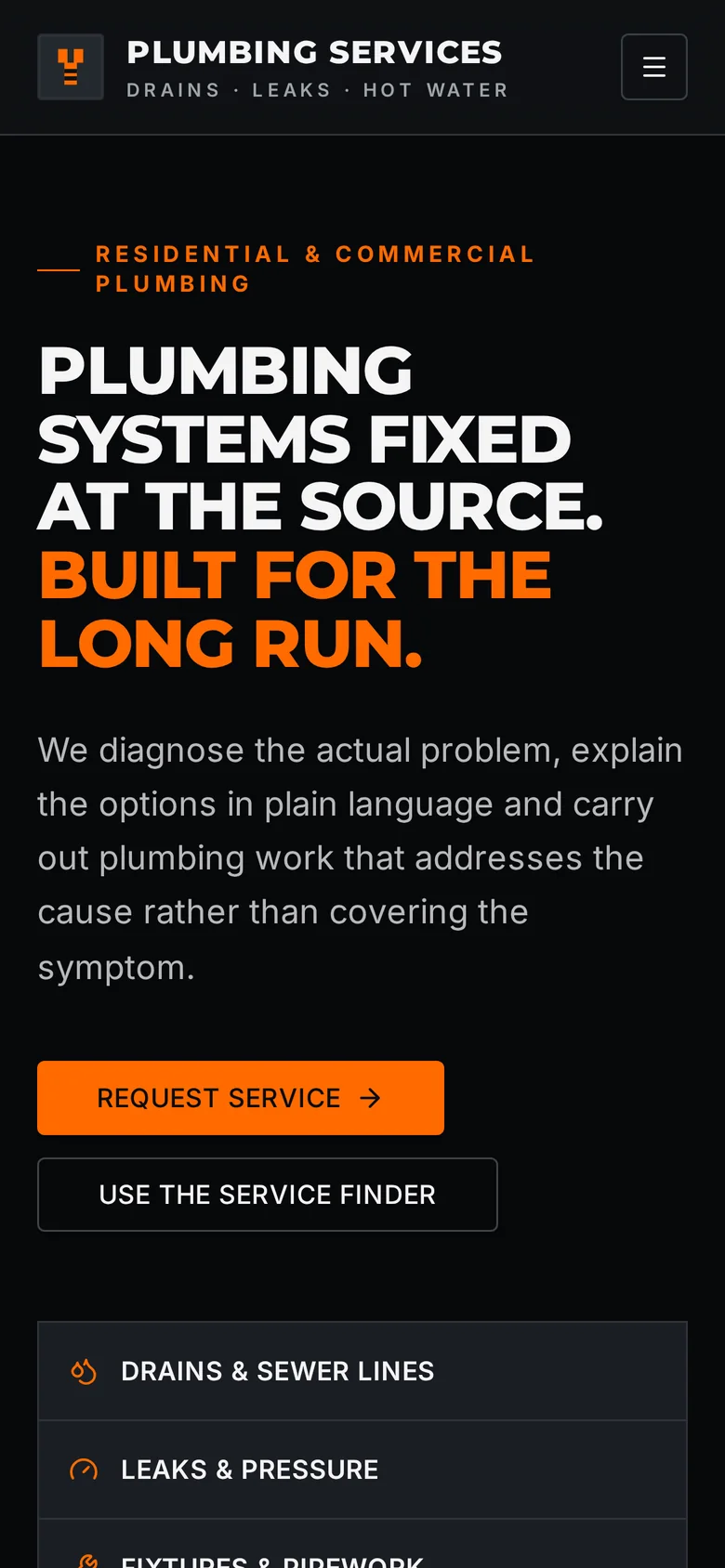
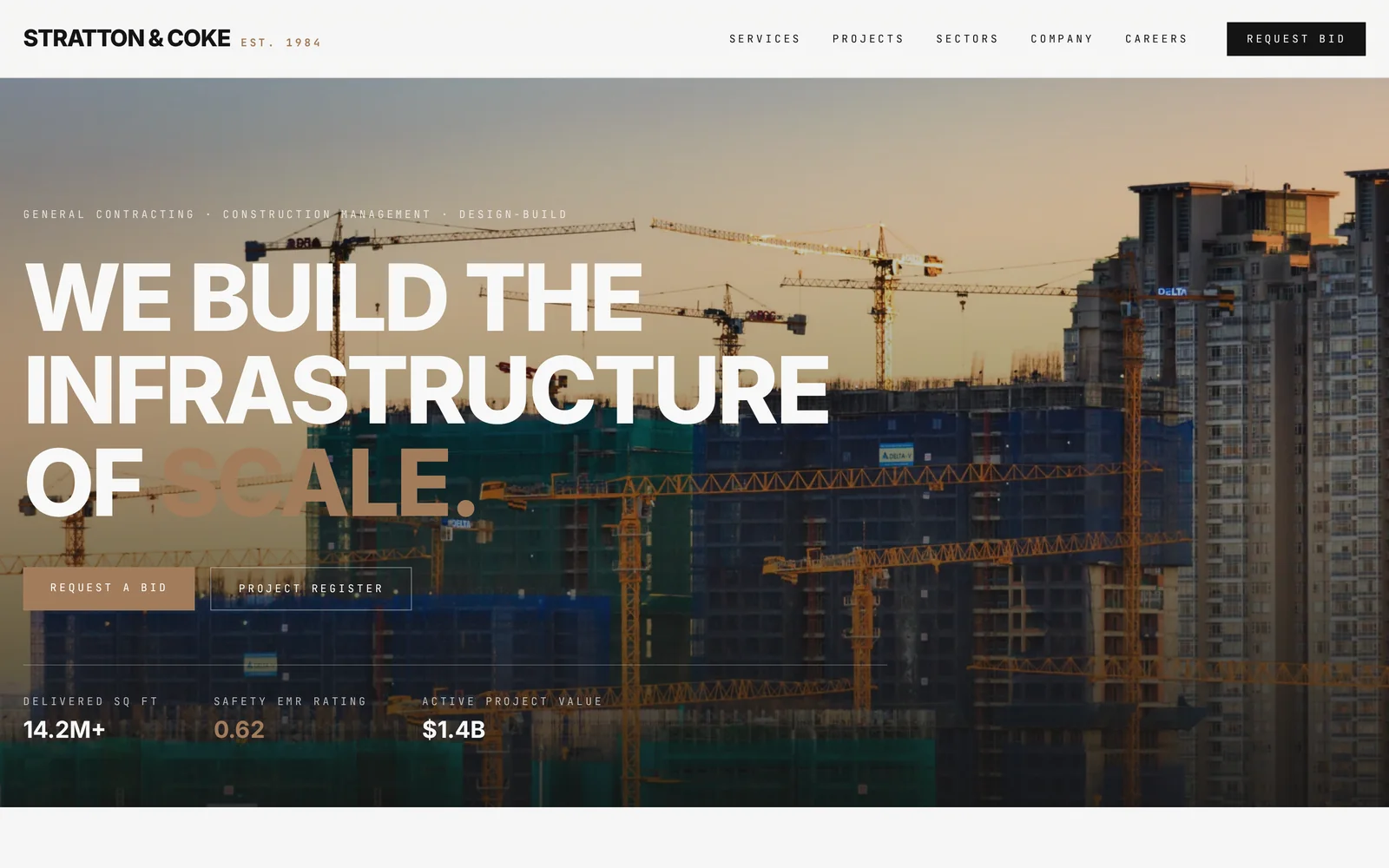
See Our Work
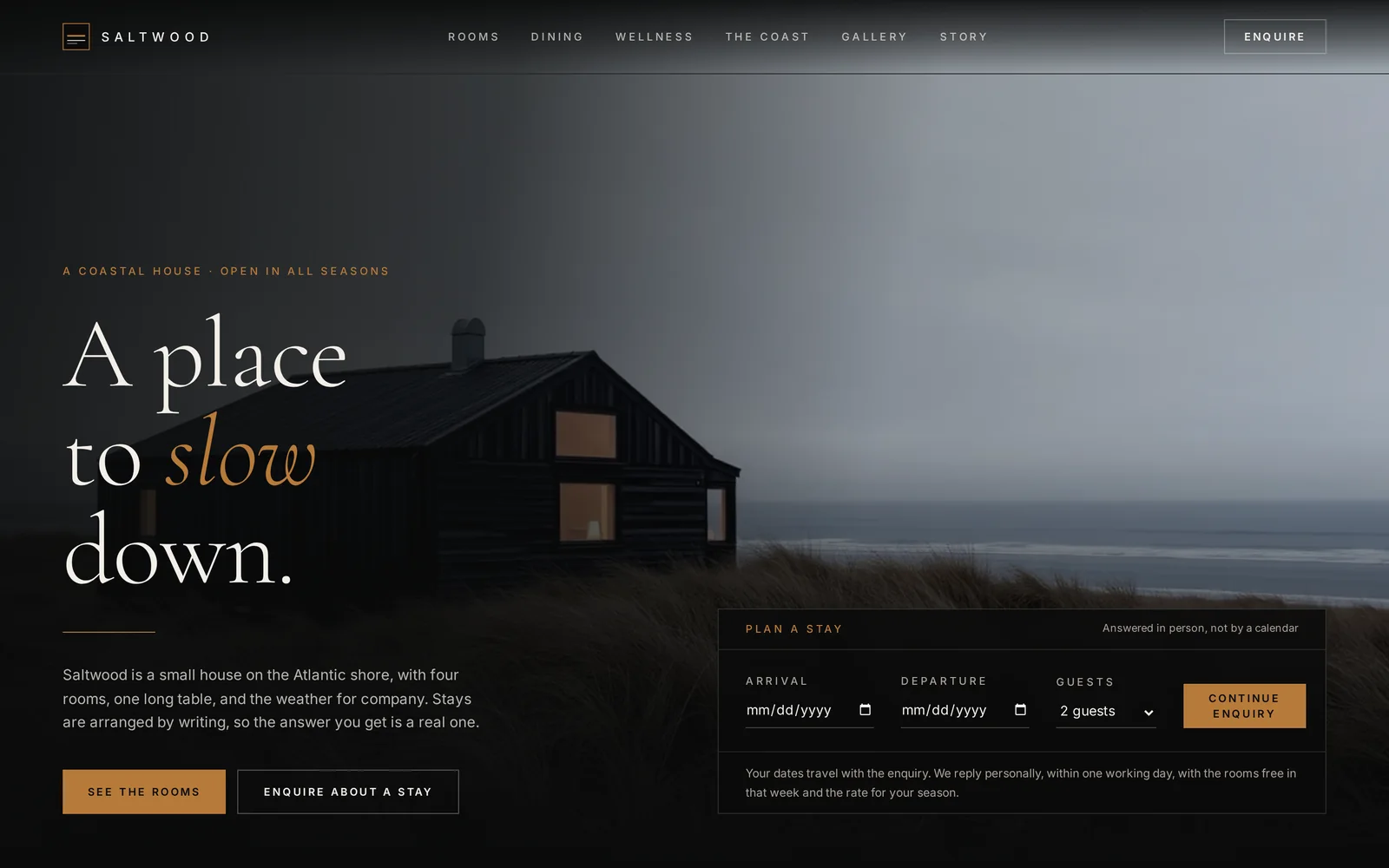
WEBSITE DESIGNED AND BUILT BY PROSPERING DIGITAL

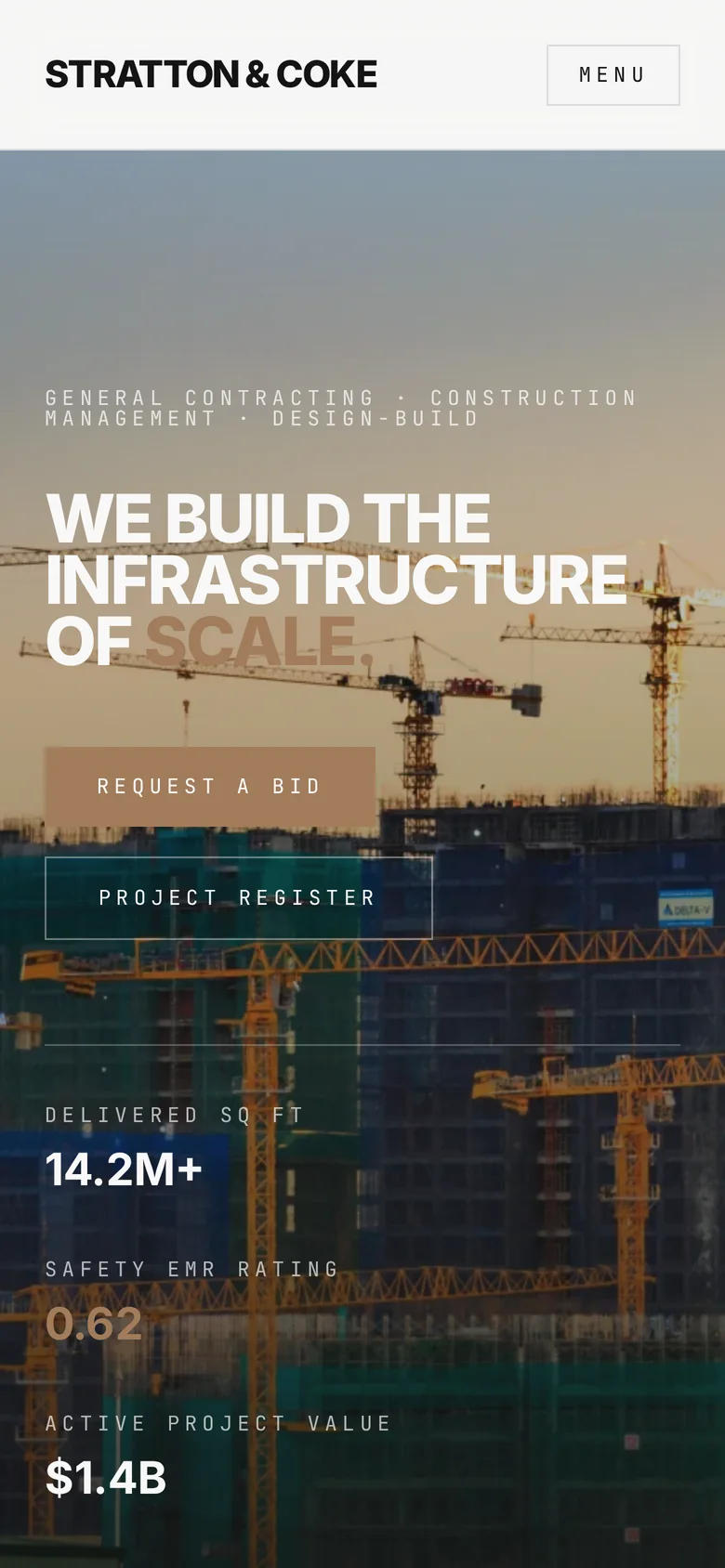

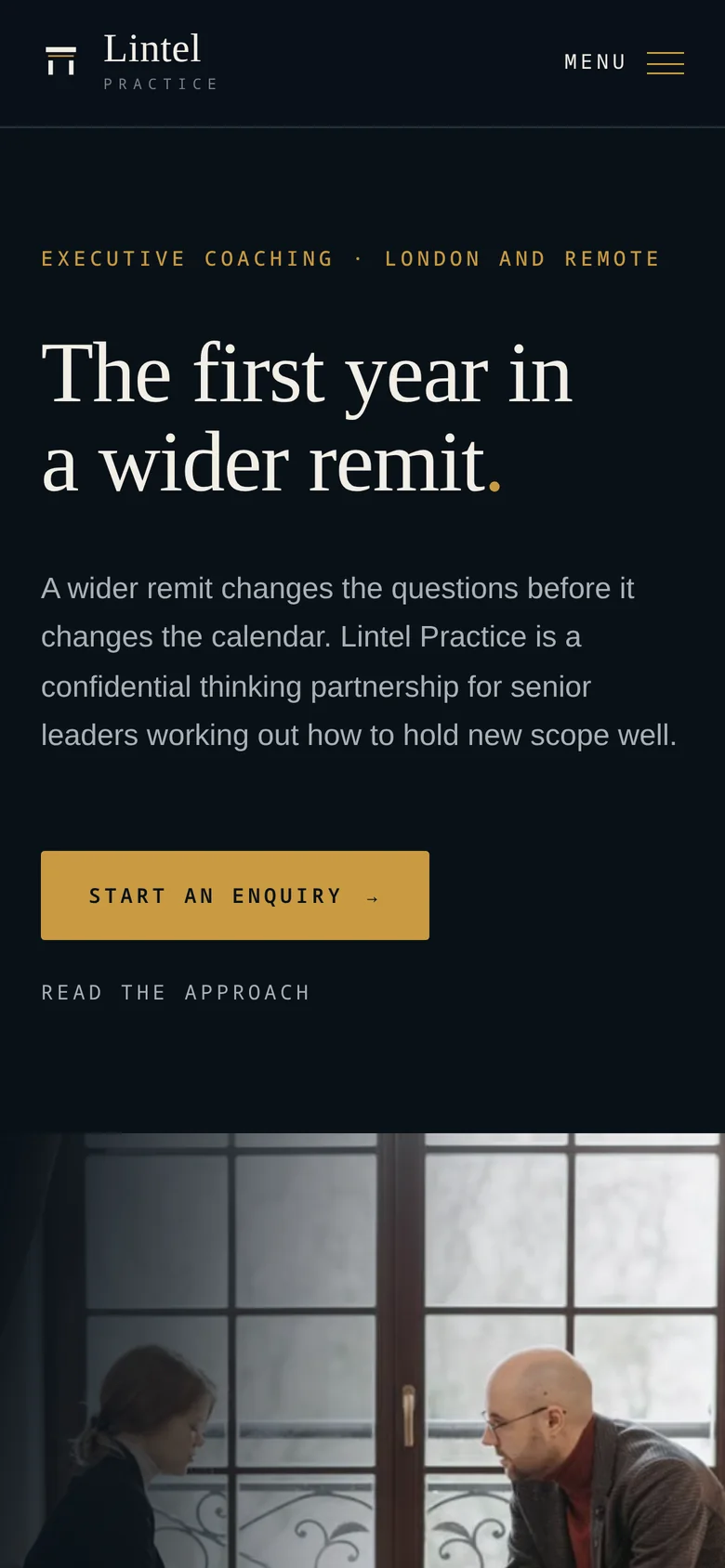


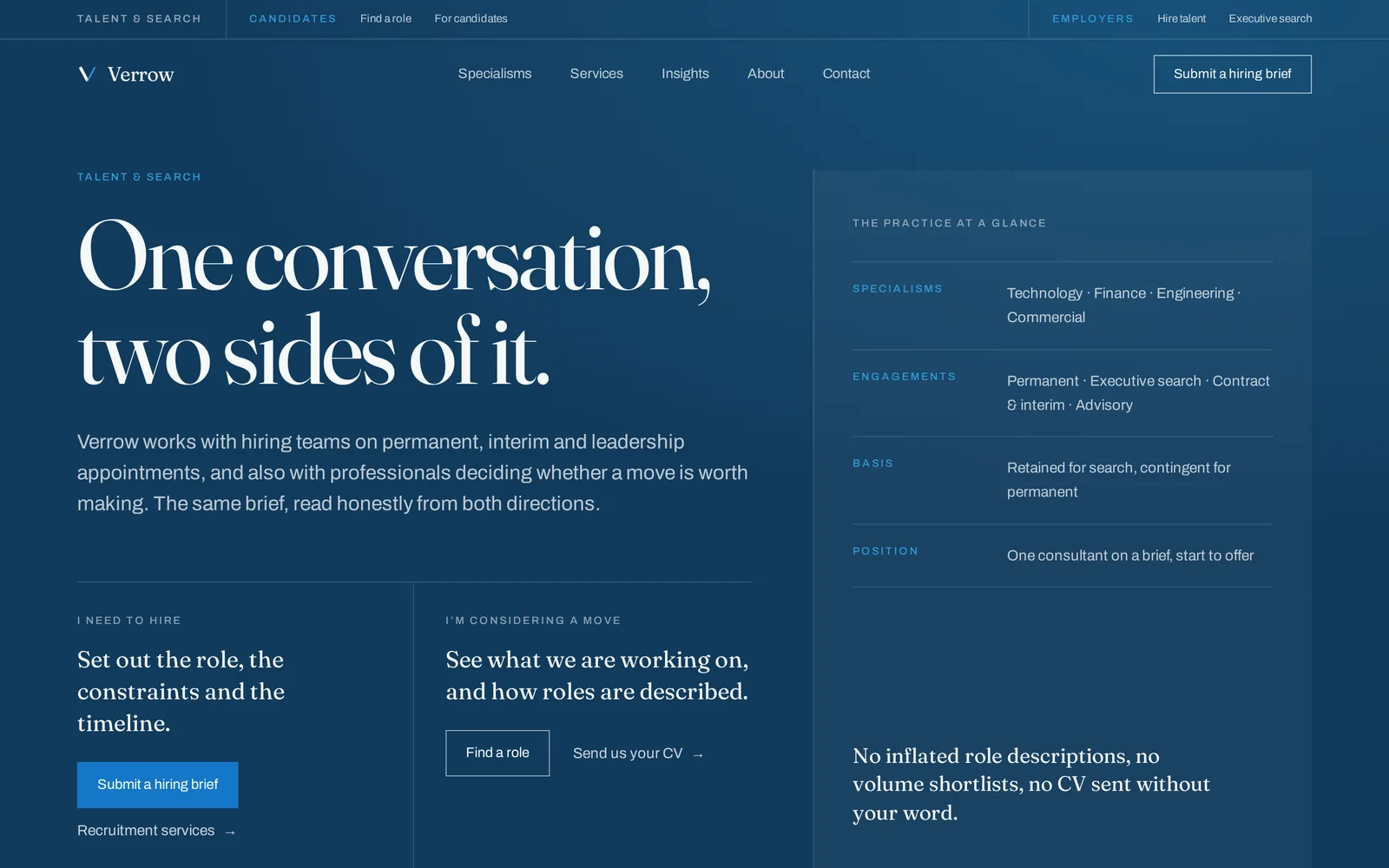
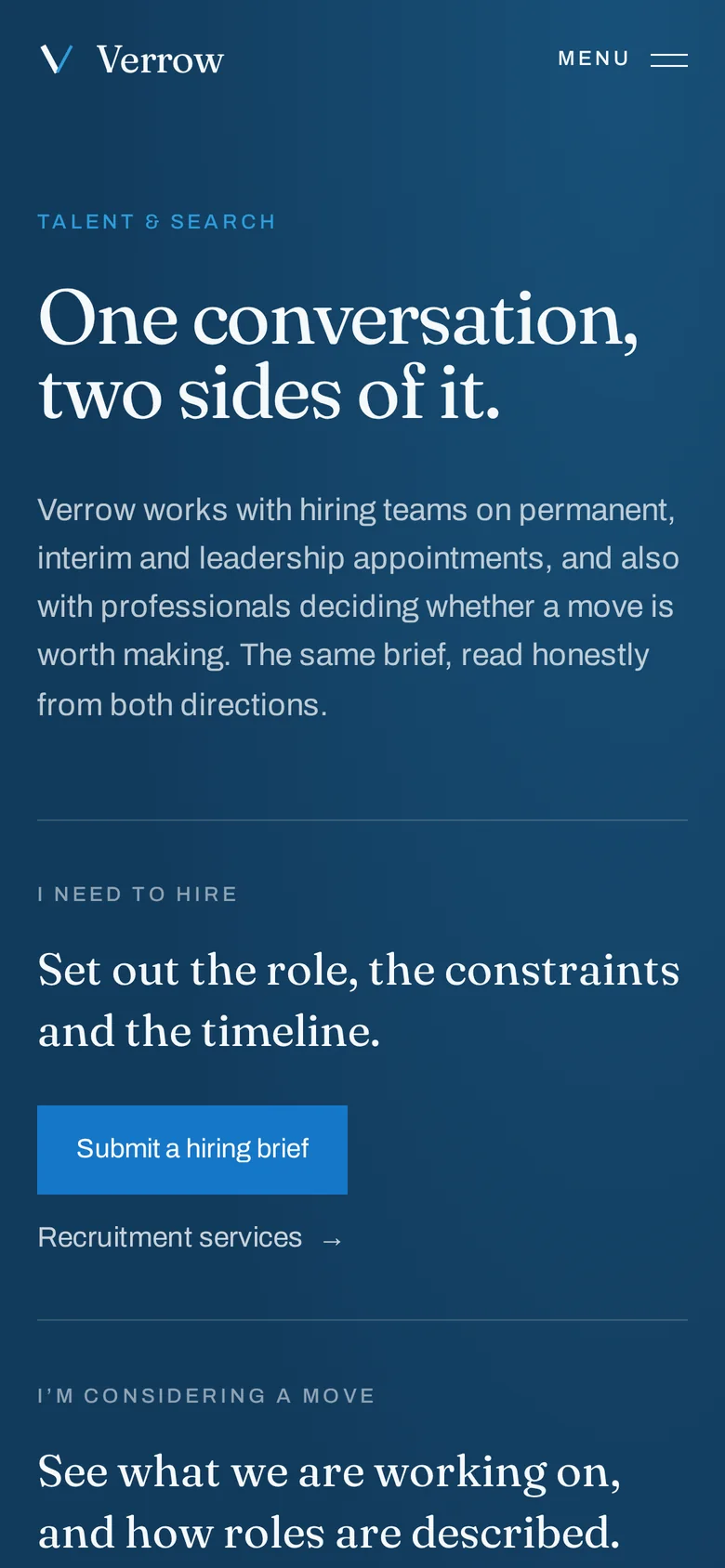

Website Development for Businesses Serving Singapore
A website for a Singapore-based professional services firm has different requirements from an online retailer, a business-to-business supplier, or a company operating across Southeast Asia.
Before choosing a developer or platform, identify what your visitors need to accomplish.
A professional services website may focus on explaining expertise and generating enquiries. An ecommerce website may require product information, payment processing, order management, and customer support. A business serving several countries may need localized content, multiple currencies, or integrations with existing systems.
These differences should influence the website's structure and functionality from the beginning.
Business Website Development
A business website should communicate what your organization offers, whom it serves, and how prospective customers can get in touch.
Useful features may include:
- Clear Service And Product Pages.
- Mobile-Friendly Navigation.
- Accessible Enquiry Forms.
- Relevant Contact And Business Information.
- A Manageable Content Publishing System.
- Appropriate Technical Foundations For Search Visibility.
- Reliable Performance And Security Arrangements.
The most useful website is not necessarily the one with the most features. It is the one that supports the tasks your customers and employees actually need to complete.
Custom Web Development Services
Standard website platforms can support many business requirements. However, some projects need specialized functionality.
Custom development may be appropriate for customer portals, complex booking workflows, business dashboards, interactive tools, or integrations with internal software.
For example, a Singapore business managing appointments across several locations may need booking rules that a standard form cannot accommodate. A distributor may require a customer portal displaying account-specific information.
Before investing in custom functionality, consider whether an established platform or integration can meet the requirement.
Custom development should be justified by a clear operational or customer benefit.
Website Design and Development
Website design focuses on how people experience a website. It includes navigation, information hierarchy, page layouts, visual presentation, and interaction design.
Website development implements the technical systems that make the website function.
These disciplines need to work together.
A well-designed enquiry page is only effective when its form works reliably, its information is understandable, and submissions reach the appropriate destination.
Likewise, sophisticated functionality provides limited value when visitors cannot easily understand how to use it.
Website Development Costs in Singapore
Compare our service packages and request a tailored quote for your web development project. For this market, request a quote for current package pricing.
Essential Website
Up to 5 Pages
- Up to 5 Pages
- Mobile Friendly
- Tablet Friendly
- Contact Form
- Local SEO
- Social Media Links
Business Website
Up to 10 Pages
- Up to 10 Pages
- Mobile Friendly
- Tablet Friendly
- Contact Form
- Local SEO
- Social Media Links
- Google Maps
- Photo Gallery
- 2 Revision Rounds
Growth Website
Up to 15 Pages
- Up to 15 Pages
- Mobile Friendly
- Tablet Friendly
- Contact Form
- Local SEO
- Social Media Links
- Google Maps
- Photo Gallery
- Booking System
- Blog
- Custom Animations
- Advanced SEO
- 3 Revision Rounds
Pro Website
Up to 20 Pages
- Up to 20 Pages
- Mobile Friendly
- Tablet Friendly
- Contact Form
- Local SEO
- Social Media Links
- Google Maps
- Photo Gallery
- Booking System
- Blog
- Premium Custom Design
- Advanced Forms
- Advanced Animations
- Advanced SEO
- Priority Support
- 4 Revision Rounds
Website Development Costs in Singapore
Website development costs depend on the project's requirements rather than a single standard market price.
A small informational website, a content-managed business website, and a custom application with complex integrations involve different levels of work.
Understanding the scope behind a quotation is more useful than comparing advertised starting prices alone.
What Affects Website Development Fees?
Website size and content: The number of pages, complexity of layouts, content preparation, and migration requirements influence the work involved.
Design requirements: A customized interface may require more design and testing than an established template.
Functional complexity: Booking systems, customer portals, product configuration tools, and specialized workflows can increase development effort.
Third-party integrations: Connecting payment providers, customer management systems, accounting software, or other applications may require additional implementation and testing.
Accessibility and quality assurance: Testing requirements, supported devices, and accessibility expectations affect project scope.
Hosting and infrastructure: Hosting, domains, software subscriptions, security services, and backups may involve recurring costs.
Maintenance and support: Software updates, technical monitoring, bug fixes, and future enhancements should be considered separately from initial development.
Comparing Website Development Quotations
When comparing proposals, request a clear description of what is included.
A useful quotation should identify:
- The Pages And Features Being Delivered.
- The Recommended Platform Or Technology.
- Design And Revision Responsibilities.
- Content Preparation And Migration Arrangements.
- Integrations And Third-Party Dependencies.
- Testing And Launch Requirements.
- Project Milestones And Payment Terms.
- Hosting And Recurring Costs.
- Maintenance And Support Arrangements.
- Ownership And Access To Relevant Accounts And Deliverables.
A lower initial quotation may exclude important work that another provider includes.
Comparing equivalent scopes helps businesses make more informed purchasing decisions.
Understanding the Total Cost of Ownership
Website costs continue after launch.
Depending on the solution, ongoing expenses may include hosting, software licensing, domain renewals, security updates, technical support, and future development.
A custom application may also require specialist maintenance.
Businesses should evaluate these recurring responsibilities before selecting a platform.
Planning a Practical Website Budget
Begin by separating essential requirements from optional enhancements.
A business may initially need service pages, enquiry forms, and content management. More advanced functionality, such as customer dashboards or automated workflows, could be considered in a later phase.
A phased approach can help control scope while preserving a clear direction for future improvements.
DISCUSS YOUR WEBSITE REQUIREMENTS AND BUDGETChoosing the Right Website Platform
One of the most important development decisions is selecting a platform that fits the business's actual requirements.
Content Management System Websites
A content management system, or CMS, allows authorized users to update website content through an administrative interface.
A CMS may be appropriate for businesses that regularly publish service updates, articles, product information, or other content.
When evaluating a CMS, consider:
- How Easily Employees Can Update Content.
- The Level Of Control Over Page Layouts.
- Security And Maintenance Requirements.
- Compatibility With Essential Integrations.
- Hosting And Licensing Costs.
- Long-Term Availability Of Technical Support.
The objective is to give the business appropriate control without introducing unnecessary maintenance complexity.
Ecommerce Website Development
Ecommerce websites require careful consideration of the entire purchasing journey.
Beyond product pages and checkout, requirements may include inventory management, delivery calculations, order notifications, refunds, customer accounts, and accounting integrations.
For a business selling in Singapore, relevant decisions may include displaying prices in Singapore dollars, identifying applicable taxes and charges, and selecting payment methods appropriate for its customers.
Businesses selling internationally may also need currency conversion, international delivery rules, or region-specific information.
These requirements should be documented before selecting an ecommerce platform.
Custom Websites and Web Applications
A custom website or application may be suitable when standard platforms cannot reasonably support essential workflows.
However, custom development introduces additional responsibilities involving documentation, testing, hosting, security, and future technical maintenance.
Before choosing this approach, ask whether the required functionality can be delivered using existing software and whether the benefits justify the added cost.
Website Redesign or Rebuild
An existing website does not always need to be replaced.
If the underlying platform remains suitable, improvements to navigation, content, mobile usability, or performance may address the problem.
A rebuild may be appropriate when the existing platform cannot support necessary functionality, has significant technical limitations, or has become difficult to maintain.
The decision should follow an assessment of the current website rather than an assumption that a new platform will automatically perform better.
Singapore-Specific Website Planning Considerations
Businesses operating in Singapore may face website requirements that are less relevant to organizations serving only other markets.
These considerations should be assessed according to the business model rather than applied indiscriminately.
Singapore Dollar Pricing and Transparent Charges
For websites selling products or displaying service prices to Singapore customers, clear currency information helps prevent confusion.
Businesses should consider whether prices are shown in Singapore dollars, how additional charges are communicated, and how applicable tax requirements affect displayed prices.
For businesses registered for Goods and Services Tax, pricing and tax presentation should be reviewed against applicable Singapore requirements.
The website should reflect the organization's actual commercial and tax arrangements.
Payment Methods for Singapore Customers
Payment options should reflect customer needs and the capabilities of the chosen payment provider.
Depending on the business, customers may expect card payments, bank-based payment methods, or other locally relevant options.
PayNow and other Singapore payment arrangements may be worth evaluating where compatible with the merchant's payment infrastructure and business requirements.
Before selecting an integration, compare transaction costs, settlement arrangements, refunds, security responsibilities, and the customer checkout experience.
Not every website needs online payment functionality. An enquiry-based service website may be better served by a reliable quotation or appointment process.
Personal Data Protection and Customer Information
Websites collecting personal information from Singapore customers should consider applicable requirements under Singapore's Personal Data Protection Act (PDPA).
Relevant questions include:
- What Personal Information Does The Website Collect?
- Why Is That Information Needed?
- How Are Individuals Informed About Its Collection And Use?
- Where Is The Information Stored?
- Which Employees And External Systems Can Access It?
- How Long Is The Information Retained?
- How Are Security Incidents Handled?
Website features such as contact forms, customer accounts, analytics tools, and marketing integrations may affect these responsibilities.
Technical controls can support responsible data handling, but legal compliance also depends on the organization's policies and practices. Businesses should obtain appropriate legal guidance where necessary.
Serving Local and International Audiences
Singapore is home to businesses serving domestic customers and international markets.
A website intended for both audiences may need to distinguish service availability, currencies, shipping destinations, contact arrangements, and relevant terms.
Multilingual content should be considered when supported by actual customer demand.
Simply adding translated pages without maintaining their accuracy or usefulness may create unnecessary complexity.
Mobile Usability and Customer Enquiries
Mobile usability matters when customers browse services, compare products, complete forms, or contact businesses using their phones.
Important information should remain readable, navigation should be straightforward, and interactive elements should work reliably on smaller screens.
For enquiry-focused websites, the contact process should request only the information necessary to respond effectively.
For ecommerce websites, the checkout process should minimize avoidable steps and clearly communicate important purchasing information.
Freelance Web Developer or Website Development Agency?
Businesses evaluating website development providers in Singapore often compare independent freelancers with agencies.
Neither option is automatically better.
The appropriate choice depends on project complexity, required expertise, communication expectations, and support needs.
When a Freelance Developer May Be Suitable
A freelance web developer may be appropriate for a clearly defined project requiring a limited range of technical skills.
Examples include updating an existing website, implementing a specific feature, or developing a relatively straightforward site.
Before hiring, clarify the developer's availability, relevant experience, testing responsibilities, documentation practices, and arrangements for future maintenance.
It is also worth understanding how the project will be supported if the developer becomes unavailable.
When an Agency May Be Suitable
A website development agency may be worth considering when a project requires coordination across several disciplines.
These may include user experience design, development, content preparation, technical integrations, testing, and maintenance.
However, agencies vary in their capabilities and delivery models.
Ask which team members or external specialists will perform the work, who is accountable for delivery, and what happens after launch.
How to Evaluate the Best Web Developer for Your Requirements
Rather than relying on rankings or promotional claims, compare providers using evidence relevant to your project.
Ask prospective developers:
- Have You Completed Projects Involving Similar Functionality?
- Can You Explain Why Your Proposed Platform Is Appropriate?
- Who Will Complete The Design And Development Work?
- What Is Included In The Agreed Scope?
- How Will Changes And Additional Costs Be Managed?
- What Testing Takes Place Before Launch?
- What Documentation And Training Will Be Provided?
- Who Owns The Website And Associated Accounts?
- What Technical Support Is Available After Launch?
- Can You Provide Relevant Examples Of Completed Projects?
A provider's ability to answer these questions clearly is more meaningful than an unsupported claim to be the top website development company.
What a Website Development Project Should Deliver
A successful project needs a clear definition of the finished result.
The exact deliverables depend on the agreement, but businesses should understand which responsibilities are included.
Requirements and Scope
The project should identify its objectives, target audience, essential pages, functional requirements, integrations, and constraints.
Clear acceptance criteria help determine whether the completed website meets expectations.
Design and User Experience
The design process should address navigation, content hierarchy, page layouts, forms, and important user journeys.
Design decisions should support the tasks visitors need to complete.
Development and Integration
Development should implement the agreed functionality using technologies appropriate to the project.
Where external systems are involved, responsibilities for configuration, credentials, data handling, and ongoing subscriptions should be established.
Testing and Acceptance
The completed website should be tested against the agreed requirements.
Testing may cover responsive behavior, browser compatibility, forms, access permissions, integrations, and other important functionality.
Significant issues should be addressed before acceptance.
Launch Preparation
Launch arrangements should identify who manages hosting, domain configuration, deployment, backups, and technical access.
The business should understand which accounts and resources it needs to retain control over.
Documentation and Maintenance
Relevant documentation and administrative guidance help the business operate its website after launch.
Maintenance responsibilities should be agreed, including how updates, technical issues, and future changes will be handled.
Technical Foundations for a Reliable Website
Website quality involves more than its appearance.
Performance, accessibility, security, maintainability, and search engine accessibility all influence long-term usefulness.
Website Performance
A website should load efficiently and respond reliably to user interactions.
Important factors include image optimization, script management, caching, hosting configuration, and the complexity of page functionality.
Performance should be assessed using relevant measurements and real user needs rather than unsupported promises of perfect scores.
Accessibility
Accessible websites are easier for people with different abilities to use.
Relevant considerations include readable text, sufficient contrast, keyboard navigation, descriptive labels, meaningful alternative text, and clear error messages.
Accessibility requirements should be established during project planning and reviewed throughout implementation.
Search Engine Accessibility
A website should make its important content understandable to visitors and accessible to search engines.
Useful foundations include descriptive page titles, logical internal links, clear headings, crawlable content, appropriate redirects, and sensible URL structures.
Structured data may be useful when it accurately represents eligible page content and follows Google's documented requirements.
These practices support search engine understanding but do not guarantee indexing, rich results, or rankings.
Security and Data Handling
Website security requires ongoing attention.
Depending on the platform, relevant measures may include secure authentication, access controls, software updates, backups, monitoring, and careful management of third-party integrations.
Businesses should identify who is responsible for these activities and how incidents will be handled.
Long-Term Maintainability
A website should be practical to operate after launch.
That includes manageable technical dependencies, appropriate documentation, clear administrative permissions, and a process for implementing future changes.
The goal is to avoid unnecessary complexity that makes ordinary improvements difficult or expensive.
Planning Your Website Development Project
A clear project plan helps reduce uncertainty and makes it easier to evaluate development proposals.
Step 1: Define the Business Objective
Identify what the website should accomplish.
Possible objectives include generating enquiries, supporting online purchases, providing customer information, or improving an operational process.
The objective should guide the choice of features.
Step 2: Understand Your Audience
Consider who will use the website and what those visitors need.
Identify the information, actions, and interactions most important to them.
A website should be organized around these needs rather than internal assumptions alone.
Step 3: Document the Requirements
Prepare a list of essential pages, content, functionality, integrations, and administrative needs.
Distinguish mandatory requirements from optional enhancements.
Step 4: Evaluate Suitable Solutions
Compare available platforms and development approaches.
Consider implementation complexity, maintenance responsibilities, security, flexibility, and total cost.
Step 5: Agree on the Scope
Confirm the deliverables, milestones, revision arrangements, content responsibilities, testing requirements, and acceptance process.
This helps establish clear expectations before development begins.
Step 6: Test Important User Journeys
Review the website against its agreed requirements.
If generating enquiries is the primary objective, test the enquiry process carefully.
If the website supports online transactions, test checkout, order notifications, and other essential purchasing workflows.
Step 7: Launch and Maintain
Prepare deployment arrangements, administrative access, backups, and post-launch responsibilities.
After launch, prioritize future improvements according to actual customer needs and business objectives.
Why Discuss Your Website Project With Prospering Digital?
Selecting a website development provider begins with understanding whether its proposed approach is suitable for your business.
Prospering Digital provides a point of contact for discussing website objectives, project requirements, and the type of solution you are considering.
A productive initial discussion should establish what your website needs to accomplish, which features are essential, what constraints exist, and what information is required to assess the project.
If your business serves customers in Singapore, your requirements may also involve local pricing presentation, payment preferences, customer data handling, or support for international audiences.
These considerations should be evaluated according to your actual business operations.
Whether you are planning a new website, reviewing an existing platform, or exploring custom functionality, a clearly defined scope is the foundation for a more informed development decision.
DISCUSS YOUR WEBSITE PROJECT WITH PROSPERING DIGITALReady to Discuss Your Website Development Requirements?
A useful website starts with a clear understanding of your customers, business objectives, and technical requirements.
Whether you are planning a new business website, considering a redesign, or evaluating custom development, identifying your priorities will help you make more informed decisions.
Share your project goals, the features you need, your preferred timeline, and any budget considerations with Prospering Digital.
Start with a conversation about what your website needs to achieve.
CONTACT PROSPERING DIGITAL — DISCUSS YOUR WEBSITE PROJECTWhat Our Clients Say
“Great experience working with Prospering Digital. They were professional, easy to work with, and always quick to respond. The website turned out great, and we're very happy with the final result. I would definitely recommend them to anyone looking for a quality website.”
“I'm thrilled with my website. They built it exactly as I wanted, with some extra touches. I highly recommend these guys.”
“They are highly talented and created an excellent website for me. It functions perfectly and was affordable. I highly recommend Prospering Digital! Thanks Eric.”
“They built us a great website with all the key words that attract internet traffic. Website is great! Also, they linked all our social media platforms and have been managing that and doing posts for us. They optimized our online presence and the results speak for themselves.”
Our Design Process
From discovery and planning through design, testing and launch, each project follows the scope and requirements agreed with your team.
How Our Web Design Process Works
- 01Discovery
- 02Website Structure
- 03User Experience
- 04Design and Development
- 05Quality Assurance
- 06Launch
Discovery
We learn about your business, customers, services, current website and goals.
Website Structure
We plan the pages, navigation and relationships between services.
User Experience
We review content order, responsive behaviour and enquiry paths.
Design and Development
We build the approved design with the agreed functionality.
Quality Assurance
We review the website across devices, links, forms and heading structure.
Launch
We complete the agreed reviews and approvals before launch.
Why Choose Prospering Digital?
Business Focused Planning
Website structure is planned around your business goals and customer needs.
Clear Website Architecture
Logical navigation helps customers find the services they need.
Responsive Design
Layouts are designed for phones, tablets and desktop screens.
Search Foundations
Headings, crawlable content, internal links and metadata are considered.
Genuine Client Reviews
Read attributable reviews from people who worked with Prospering Digital.
Real Website Examples
Open live examples of our work and review them yourself.
Clear Project Scope
The agreed deliverables and responsibilities are set out before work begins.
Room to Grow
Website structures can accommodate additional pages, services and locations.
Frequently Asked Questions
How much does website development cost in Singapore?
How long does it take to develop a business website?
What is the difference between a web designer and a web developer?
Should I hire a freelance developer or an agency?
Do I need a custom website?
Can my existing website be improved without rebuilding it?
Can a website accept payments from Singapore customers?
Does a Singapore business website need to comply with the PDPA?
Will website development automatically improve Google rankings?
What should I prepare before requesting a quotation?
Who owns the website after development?
What happens after the website launches?
Related Services & Expertise
Ready to Start Your Web Development Project?
Tell us about your project and the features your business needs. We can discuss the scope and next steps.