
Custom Ecommerce Website Development for US Businesses
Your ecommerce website should make it easy for customers to find the right products, understand what they're buying, and complete purchases. Behind the storefront, it also needs to support the way your business manages products, inventory, orders, and customer information.
Prospering Digital provides custom ecommerce website development for businesses across the United States. Our ecommerce work brings together website strategy, storefront design, platform development, technical SEO, and practical launch planning.
Whether you're building a new online store, replacing an outdated website, or extending an existing ecommerce platform, we help you determine which features matter, what needs customization, and how to structure the project around your business requirements.
Our focus is on building a useful, manageable ecommerce website—not adding custom functionality simply because it's possible.
Planning a new ecommerce website or upgrading an existing store?
Contact Prospering Digital to discuss your requirements and request a project estimate.
Not every online store needs a fully custom website.
For businesses with straightforward product catalogs, standard shipping rules, and common checkout requirements, an established ecommerce platform may provide most of the necessary functionality.
Custom ecommerce development becomes valuable when your store needs to accommodate more specialized customer experiences or operational processes.
Examples include:
The important distinction is between functionality your business needs and functionality that merely adds development cost.
A good project starts by separating essential requirements from optional enhancements.
Standard Ecommerce Setup vs. Custom Development
Business requirement| Standard platform configuration| Custom development
Basic product catalog| Often sufficient| Usually unnecessary
Common payment and shipping options| Often supported| Needed only for special requirements
Branded storefront| Themes and configuration may work| Greater design flexibility
Complex product configuration| May have limitations| Tailored functionality may be appropriate
Customer-specific purchasing rules| Depends on platform features| May require custom workflows
External business integrations| Existing connectors may work| Custom integration may be needed
Long-term maintenance| Standard platform and app responsibilities| Additional custom-code responsibilities
A custom solution should solve a real problem. If a standard feature can meet the requirement reliably, there may be little reason to rebuild it.
An ecommerce development project involves more than visual design.
The storefront, product data, purchasing process, business systems, and content management experience all need to work together.
Prospering Digital approaches ecommerce website design and development as a connected service, with the technical scope defined around the needs of each project.
Before choosing features or development tools, the project needs a clear set of requirements.
Useful discovery questions include:
The answers help establish an appropriate platform, project scope, and implementation plan.
Your storefront should communicate your brand while making the shopping process straightforward.
Depending on the project, ecommerce design and development may involve:
A distinctive design should not come at the expense of clarity.
Customers still need to find prices, product details, delivery information, and purchase controls without unnecessary effort.
Catalog complexity can have a greater effect on development requirements than the number of products alone.
For example, a store with 200 configurable industrial products may require more sophisticated product relationships than a store with 2,000 straightforward items.
Catalog planning may involve:
The objective is to organize products around how customers make purchasing decisions while keeping the catalog practical for staff to maintain.
A reliable purchasing experience should make the next step obvious.
Important considerations include:
Checkout customization depends on the ecommerce platform and its restrictions.
Payment security and platform-supported functionality should take priority over unnecessary custom checkout behavior.
The right ecommerce platform depends on what you sell, how you operate, and how much flexibility your business requires.
Prospering Digital's website development services include Shopify, WooCommerce, and custom development.
A platform recommendation should consider the full project rather than a single feature.
Shopify provides a managed ecommerce platform with established functionality for products, orders, payments, and store administration.
It may be suitable for businesses that want a structured commerce environment without managing every aspect of the underlying infrastructure.
Shopify projects can involve branded storefront design, theme customization, product presentation, and supported third-party applications.
Before selecting Shopify, businesses should consider:
More specialized requirements should be assessed against the capabilities of the relevant Shopify plan and available development interfaces.
WooCommerce provides ecommerce functionality within WordPress.
It can be appropriate for businesses that want substantial flexibility over website content, storefront design, and the broader WordPress environment.
WooCommerce projects may involve custom layouts, product configuration, extensions, and integrations.
Businesses should also plan for hosting, backups, security, software updates, and compatibility between extensions.
That maintenance responsibility is an important part of the platform decision.
Some ecommerce businesses require functionality that conventional storefront implementations cannot accommodate efficiently.
Examples may include unusual ordering processes, multiple connected systems, or highly specialized customer interfaces.
A headless architecture may be worth evaluating when there is a clear reason to separate the storefront from the underlying commerce platform.
However, additional flexibility can bring more development and maintenance complexity.
The right approach is the simplest architecture that reliably supports the business's actual requirements.
An online store often depends on information from systems outside the website.
Inventory platforms, shipping providers, customer management tools, accounting software, and fulfillment services may all play a role in processing an order.
The purpose of an integration is to make those systems work together reliably—not simply to connect as many applications as possible.
Inventory synchronization can become important when a business sells through multiple channels or locations.
Before developing a connection, the project should establish:
These decisions can affect both customer experience and operational reliability.
Order workflows may require information to pass between the ecommerce platform, fulfillment systems, and shipping services.
A project may need to account for order statuses, shipment updates, tracking information, partial fulfillment, and exceptions.
The specific implementation depends on the selected software and its available integration methods.
Some businesses need ecommerce data to connect with accounting or customer management software.
Technical feasibility should be assessed before committing to a particular integration.
Important factors include API access, data formats, authentication, platform limits, and ongoing support requirements.
Where an established connector is reliable and meets the business need, it may be preferable to a custom-built integration.
Business-to-business ecommerce often involves a purchasing process that differs from ordinary consumer retail.
Wholesale buyers may need access to negotiated prices, bulk quantities, account-specific catalogs, or purchase approvals.
A B2B ecommerce portal may require:
Not every wholesale business needs all these features.
For example, a distributor with repeat customers may benefit more from a simple bulk-order interface than an elaborate product configurator.
The right ecommerce portal development approach depends on the actual purchasing workflow and the capabilities of the selected platform.
Specialized portal features should be assessed during technical discovery before they are included in a project scope.
Custom ecommerce website development prices vary because projects differ in design, functionality, catalog complexity, integrations, and migration requirements.
A standard storefront using established platform features and a complex ecommerce system with specialized business rules are fundamentally different projects.
The most useful way to understand pricing is to identify the work required.
Platform and architecture: The ecommerce platform, hosting arrangement, and extent of customization influence development and ongoing expenses.
Design scope: Custom templates, interactive features, and reusable components require design and development time.
Catalog structure: Product variations, data quality, filtering, and relationships can add complexity.
Custom functionality: Specialized purchasing rules, customer accounts, or product configuration may require additional engineering.
Integrations: Connecting external systems requires planning, implementation, testing, and maintenance considerations.
Migration: Existing products, customers, content, and URLs may need to be transferred or transformed.
Quality assurance: Checkout testing, mobile testing, integration verification, and launch preparation should be included in project planning.
Ongoing ownership: Platform subscriptions, hosting, paid applications, updates, and support contribute to the total cost.
Affordable ecommerce website development is often a matter of controlling scope.
The goal should be to deliver a reliable store with the essential functionality needed to operate.
A practical approach is to divide requirements into three groups:
For example, a new retailer may need product pages, shipping, payments, and basic reporting immediately, while advanced personalization can wait.
A wholesale company may have different priorities, such as customer account approval and specialized pricing.
Security, checkout reliability, and essential testing should never be removed simply to reduce the initial quote.
When comparing ecommerce website development packages, request a written scope that identifies:
Two proposals with similar prices can represent very different amounts of work.
A detailed scope is more useful than comparing package names alone.
To receive a meaningful project estimate, prepare:
You do not need every detail finalized before contacting a development company. The purpose of the initial discussion is to clarify requirements and identify what needs further investigation.
An existing ecommerce business may already have valuable product content, customer relationships, order history, and search visibility.
Replacing its website requires more care than starting with an empty store.
Before making major changes, establish which parts of the current system should be preserved, improved, or replaced.
A storefront redesign may be appropriate when the main problems concern layout, mobile usability, navigation, or product presentation.
A platform migration may be more appropriate when the current system cannot support important operational requirements or has become difficult to maintain.
The distinction matters because a migration can introduce additional cost, technical risk, and disruption.
Situation| First option to evaluate
Outdated visual design| Storefront redesign
Confusing product navigation| Information architecture and UX improvements
Slow pages| Performance audit and targeted fixes
Missing feature available through an existing extension| Platform configuration or extension
Platform cannot support critical business requirements| Replatforming feasibility assessment
Several business systems require coordinated changes| Technical discovery and integration planning
A full rebuild should not be the default recommendation when targeted improvements could solve the problem.
Migration planning may need to cover:
Not all information can necessarily be transferred between platforms in the same form.
Customer and payment information must be handled in accordance with platform capabilities and applicable security and privacy requirements.
An ecommerce migration can change how customers and search engines reach products and categories.
Before launch, identify important existing URLs and determine whether they can be retained.
Where URLs must change, appropriate permanent redirects should be planned and tested.
Avoid removing useful content or changing established URLs without a clear reason.
Technical planning can reduce avoidable disruption, but it cannot guarantee that search performance will remain unchanged.
Ecommerce development should account for how customers and search engines access the website.
Technical SEO begins with the structure and implementation of the store.
Important ecommerce pages should have:
Filtering and sorting systems need particular attention.
If every filter combination creates a crawlable URL, a large catalog can generate substantial numbers of similar pages.
The appropriate solution depends on which filtered pages are useful to customers and search engines.
Ecommerce websites often include product photography, interactive components, third-party scripts, and tracking tools.
These can affect loading speed, responsiveness, and visual stability.
Performance improvements may involve:
Core Web Vitals can help identify real-user performance issues, but they should be considered alongside overall usability and business functionality.
An ecommerce store should be usable by customers with different devices and abilities.
Development should consider:
Accessibility should be considered during design and tested throughout development rather than addressed only at the end.
A store needs reliable measurement to understand customer behavior and identify problems.
Depending on the platform and privacy requirements, useful events may include product views, cart additions, checkout progression, and completed purchases.
Tracking should be validated before launch.
Analytics configuration must also respect applicable consent and privacy requirements.
Before commissioning development, businesses can reduce uncertainty by documenting a few essential decisions.
Start with the problem the new website should solve.
Examples include making a large catalog easier to browse, reducing manual order entry, improving mobile usability, or supporting wholesale accounts.
A clear outcome helps determine which features matter.
Describe how customers discover products, compare options, place orders, and receive confirmation.
Identify where additional information or functionality is necessary.
Document what happens after a customer places an order.
Which systems receive the information? Who manages fulfillment? How is inventory updated? What happens when an order cannot be completed?
This prevents the storefront from being designed without considering the business processes behind it.
Identify what is required for launch and what can be implemented later.
This creates a clearer basis for budgeting and development priorities.
Determine whether product descriptions, photography, pricing, variations, policies, and existing data are ready.
Missing or inconsistent product information can delay development even when the technical work is progressing.
Define how the business will determine whether the completed website meets its requirements.
For example, a product filtering requirement should identify which attributes are supported and how results are expected to behave.
A checkout requirement should identify the payment and shipping scenarios that need testing.
Clear acceptance criteria make project reviews more objective.
Prospering Digital's ecommerce development approach brings together requirements planning, design, development, and launch preparation.
The specific work depends on the agreed project scope.
We begin by reviewing your products, customers, current website, business workflows, and intended functionality.
Requirements that depend on third-party platforms or specialized integrations may need further technical investigation.
The project requirements inform the proposed platform, design work, development scope, and priorities.
This is also where assumptions, dependencies, and exclusions should be clarified.
The design phase focuses on navigation, product presentation, responsive layouts, and purchasing usability.
The goal is to create an experience that fits the products and supports the customer journey.
The agreed storefront and functionality are implemented within the selected platform.
Any specialized features or integrations are addressed according to confirmed technical feasibility and project scope.
The website should be tested against agreed requirements before launch.
This includes customer-facing functionality and relevant administrative workflows.
After launch, the business needs access to its website, an understanding of routine management tasks, and clear responsibilities for maintenance.
Optional website care and support can be considered according to the platform and ongoing requirements.
Before approving a new store for launch, test it using realistic customer and staff scenarios.
This checklist is a starting point. A complex ecommerce project may require additional platform-specific, integration, security, and accessibility testing.


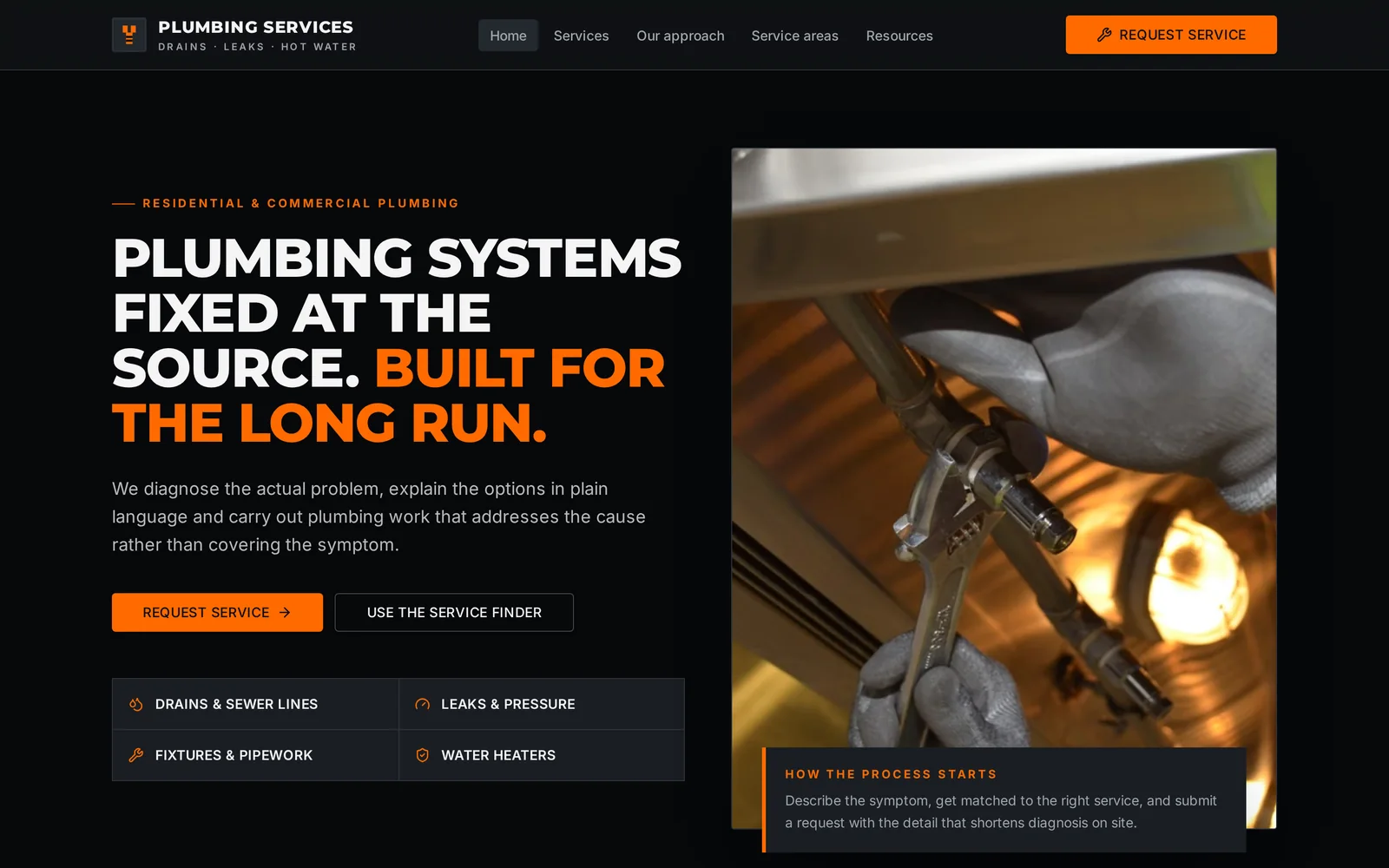
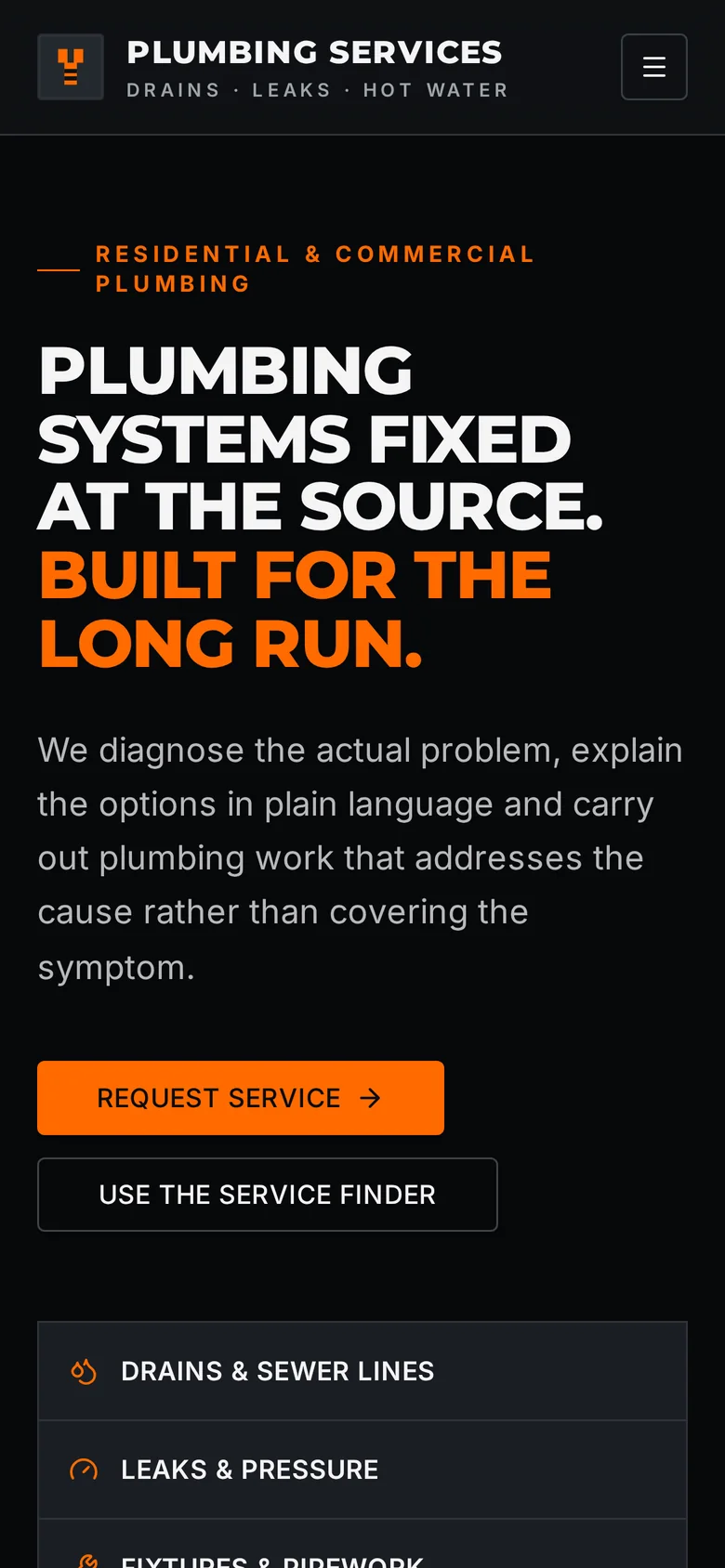
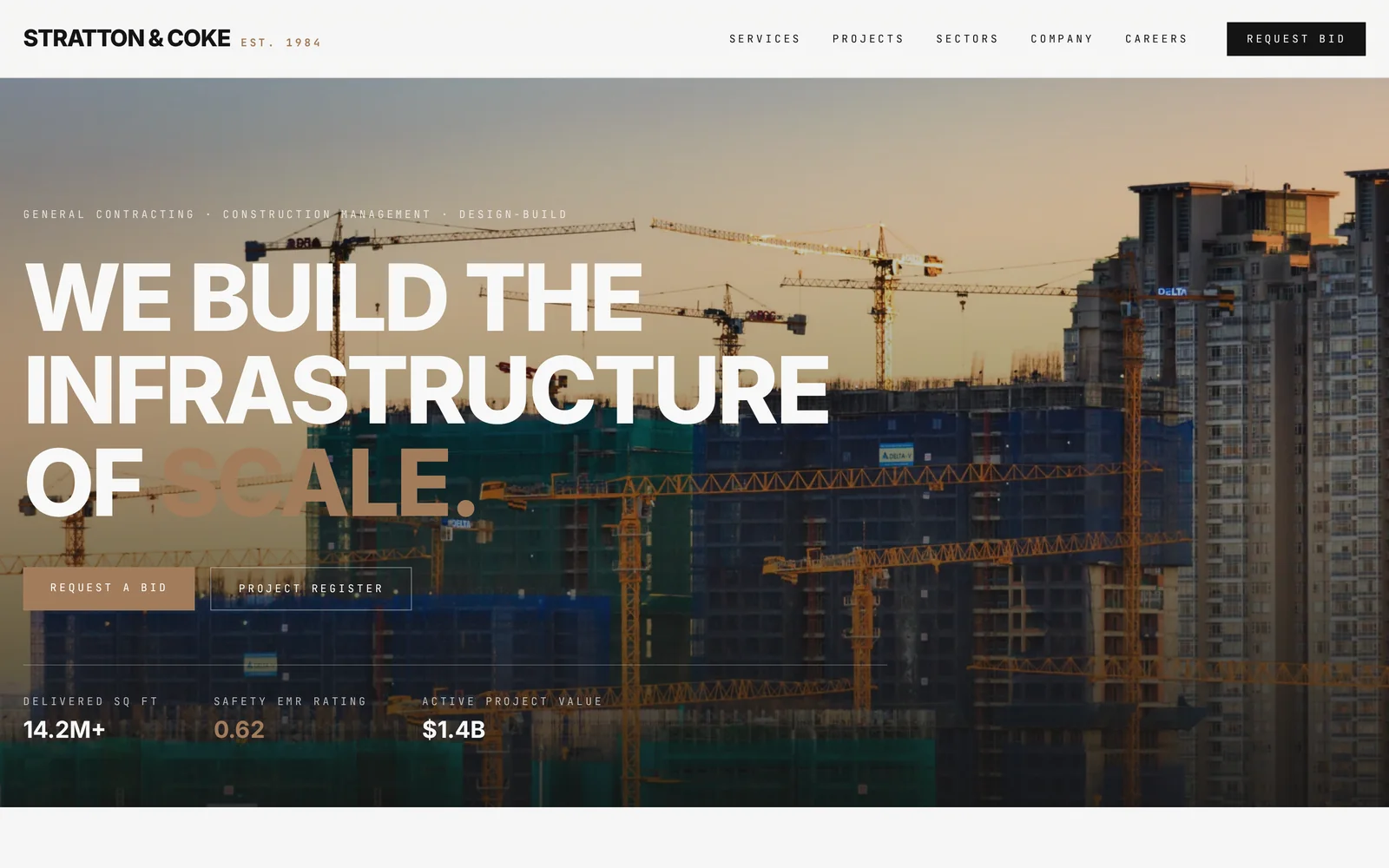
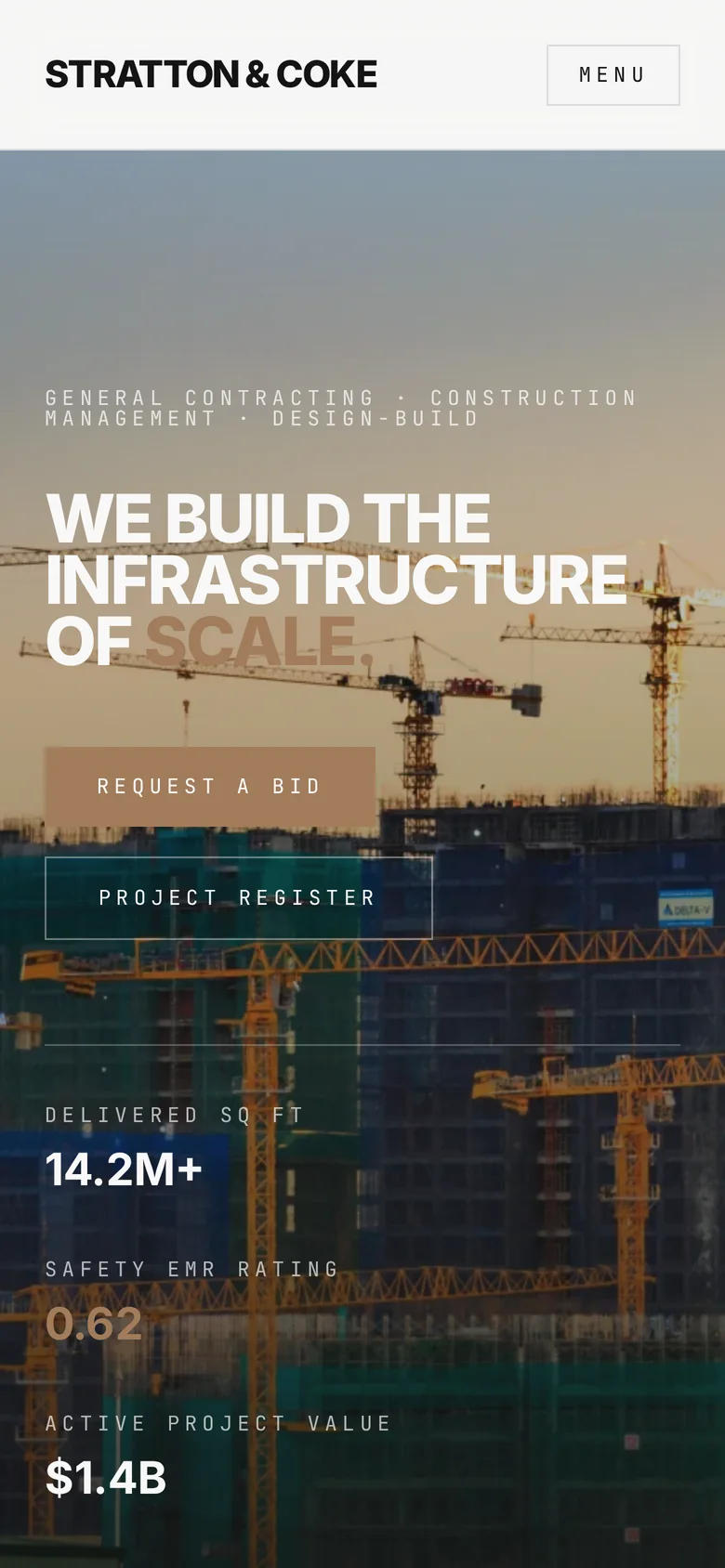
See Our Work
WEBSITE DESIGNED AND BUILT BY PROSPERING DIGITAL
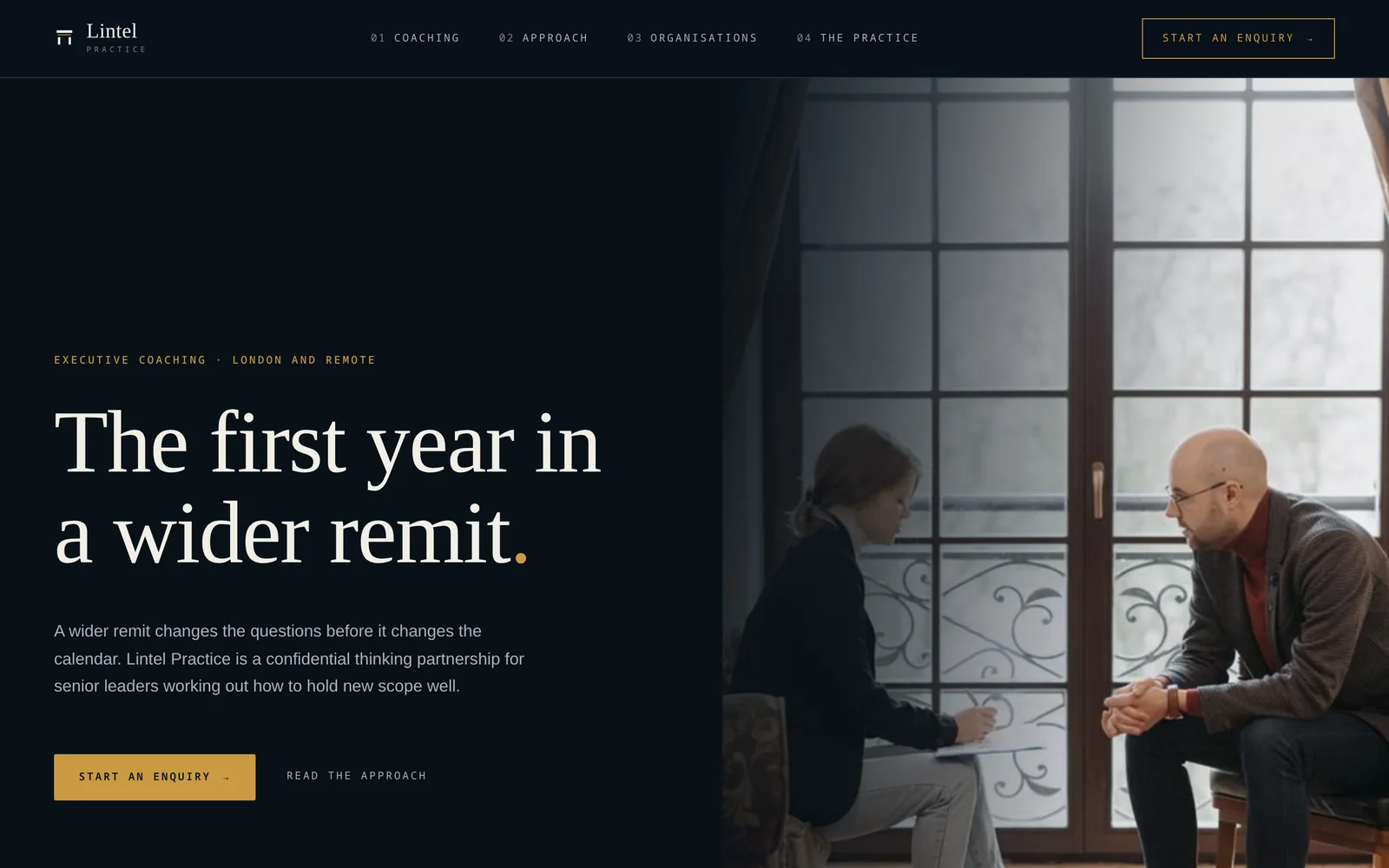



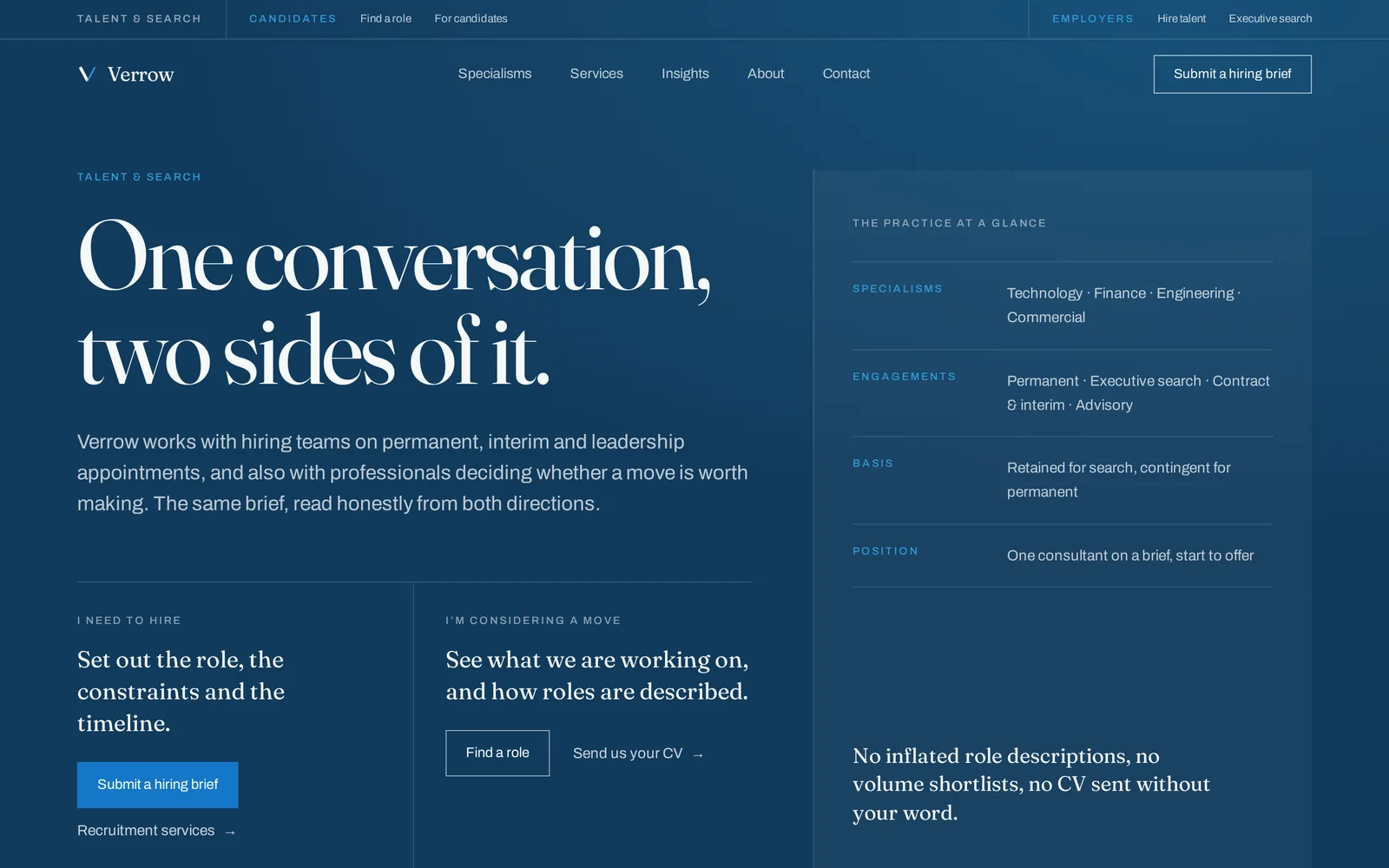

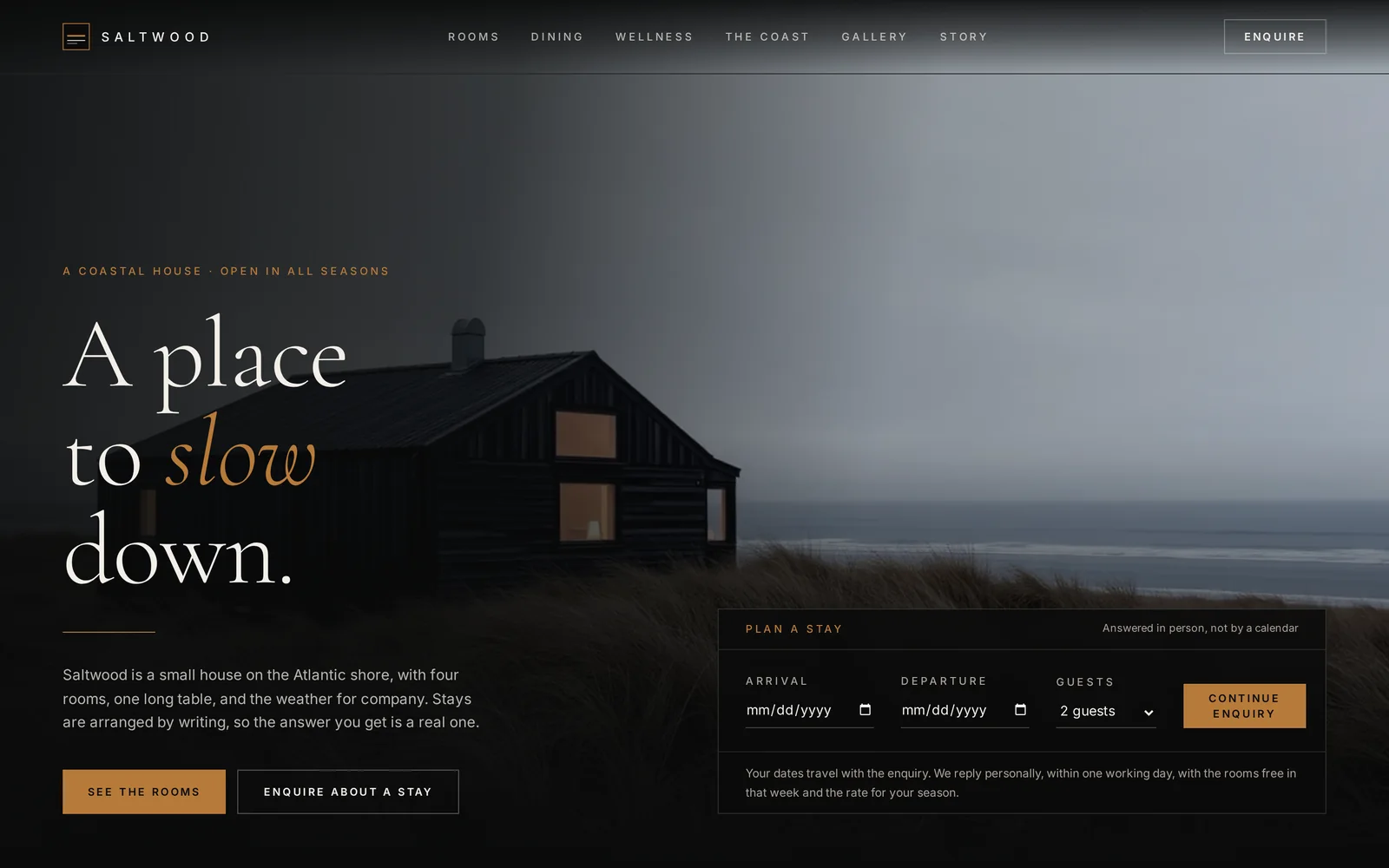
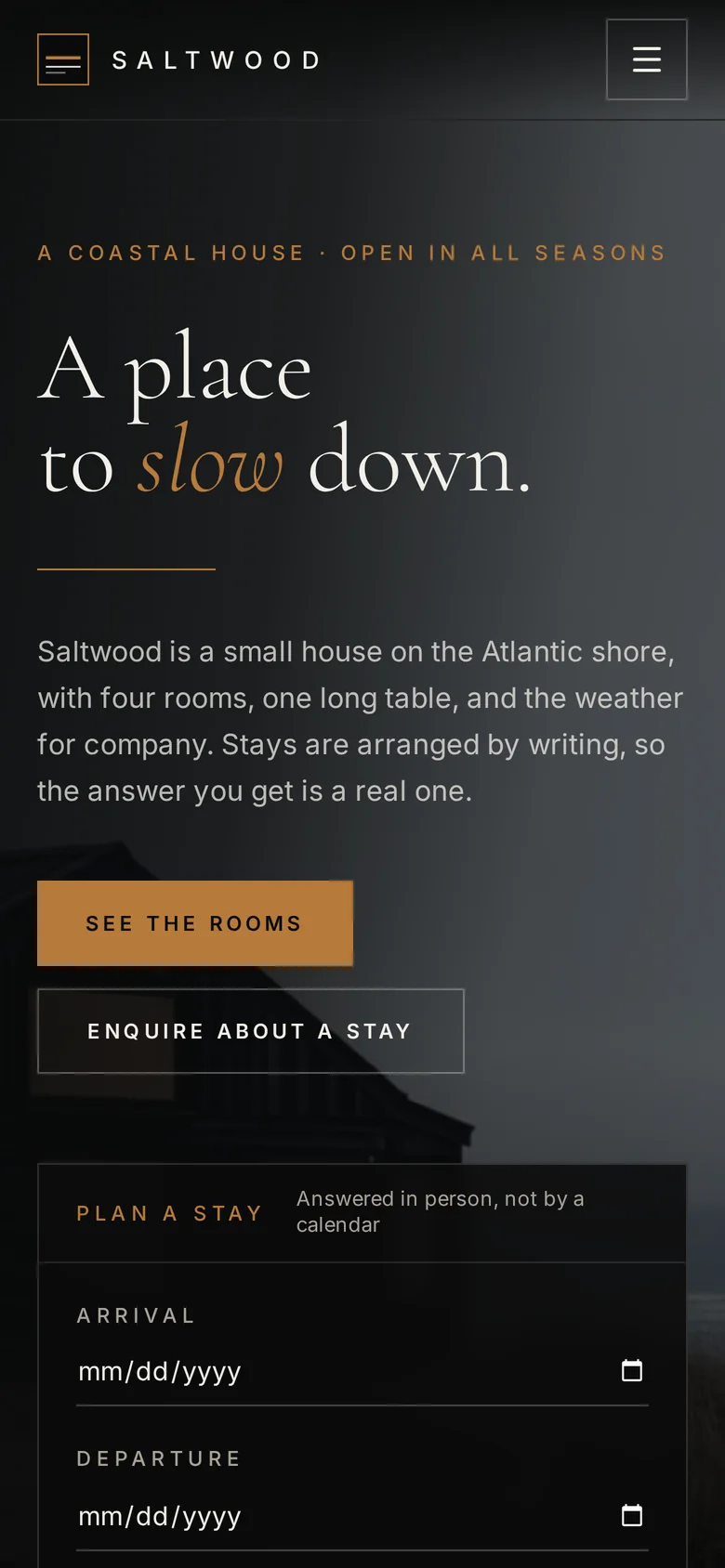
How to Choose a Custom Ecommerce Website Development Company
Hiring an ecommerce development company is a decision about technical suitability, project responsibility, and long-term maintainability.
A provider should be able to explain how it intends to meet your requirements—not simply show attractive storefront examples.
Questions to Ask Before Hiring
Why do you recommend this ecommerce platform?
The explanation should relate to your catalog, workflows, customization requirements, and ongoing maintenance.
Which requirements need custom development?
Ask whether standard platform functionality or established applications could meet the need more efficiently.
What is included in the proposal?
Clarify design, development, migration, integrations, testing, training, and support.
How will technical risks be assessed?
Complex integrations and platform limitations should be investigated before firm implementation commitments are made.
How will the finished store be tested?
Request clear acceptance criteria for important customer and operational workflows.
Who will control the website after launch?
Confirm administrative access, account ownership, documentation, and ongoing responsibilities.
What happens when requirements change?
Understand the process for evaluating additional functionality and its effect on cost and delivery.
Comparing Ecommerce Development Agencies
Businesses researching top ecommerce development agencies or ecommerce web development companies should use criteria relevant to their projects rather than relying on promotional rankings.
Useful evaluation factors include:
- Relevant Platform Capabilities.
- Examples Of Comparable Work.
- Clear Technical Recommendations.
- Transparent Deliverables.
- Realistic Assumptions.
- Communication Arrangements.
- Testing Responsibilities.
- Post-Launch Support.
A larger agency is not automatically a better fit than a specialist development company.
The right provider is the one whose verified capabilities, approach, and proposed scope align with the project.
Ecommerce Development Services for Businesses Across the USA
Prospering Digital works with businesses in the United States through remote collaboration.
Ecommerce development projects can be coordinated through online discovery meetings, documented requirements, design reviews, and agreed project milestones.
For businesses searching for an ecommerce developer near them, proximity is only one consideration.
It is also important to evaluate communication, technical suitability, project planning, and support arrangements.
A remote development relationship can be practical when responsibilities, deliverables, and review processes are clearly established.
Considerations for US Ecommerce Businesses
US ecommerce businesses may need to account for:
- State And Local Sales Tax Requirements.
- Shipping And Fulfillment Practices.
- Customer Privacy Obligations.
- Payment Security.
- Accessibility.
- Product-Specific Regulations.
- Consumer-Facing Policies.
Requirements vary by business, product category, and jurisdiction.
Technical implementation should follow the business's confirmed requirements, with qualified legal, tax, or compliance advice where appropriate.
Why Consider Prospering Digital for Ecommerce Development?
Prospering Digital combines website design, development, ecommerce platform work, and technical SEO considerations.
Our service approach connects the visible storefront with the underlying website structure and the business requirements it needs to support.
Business-Focused Planning
We begin with the purpose of the website and the needs of its customers rather than assuming that every project requires the same features.
Shopify Development Pricing & Packages
Compare our service packages and request a tailored quote for your shopify development project. For this market, request a quote for current package pricing.
Essential Website
Up to 5 Pages
- Up to 5 Pages
- Mobile Friendly
- Tablet Friendly
- Contact Form
- Local SEO
- Social Media Links
Business Website
Up to 10 Pages
- Up to 10 Pages
- Mobile Friendly
- Tablet Friendly
- Contact Form
- Local SEO
- Social Media Links
- Google Maps
- Photo Gallery
- 2 Revision Rounds
Growth Website
Up to 15 Pages
- Up to 15 Pages
- Mobile Friendly
- Tablet Friendly
- Contact Form
- Local SEO
- Social Media Links
- Google Maps
- Photo Gallery
- Booking System
- Blog
- Custom Animations
- Advanced SEO
- 3 Revision Rounds
Pro Website
Up to 20 Pages
- Up to 20 Pages
- Mobile Friendly
- Tablet Friendly
- Contact Form
- Local SEO
- Social Media Links
- Google Maps
- Photo Gallery
- Booking System
- Blog
- Premium Custom Design
- Advanced Forms
- Advanced Animations
- Advanced SEO
- Priority Support
- 4 Revision Rounds
Custom Website Design
Storefront layouts and components can be planned around product presentation, navigation, and brand requirements.
Shopify and WooCommerce Development
Our ecommerce capabilities include established platforms such as Shopify and WooCommerce, with project-specific customization assessed against the selected platform.
Search-Friendly Development
Website architecture, navigation, page structure, and technical SEO are considered during development.
Practical Project Scope
We emphasize identifying required functionality, technical dependencies, and deliverables before implementation.
Optional Ongoing Support
Website care and maintenance options can help businesses plan for the responsibilities that continue after launch.
What Our Clients Say
“Great experience working with Prospering Digital. They were professional, easy to work with, and always quick to respond. The website turned out great, and we're very happy with the final result. I would definitely recommend them to anyone looking for a quality website.”
“I'm thrilled with my website. They built it exactly as I wanted, with some extra touches. I highly recommend these guys.”
“They are highly talented and created an excellent website for me. It functions perfectly and was affordable. I highly recommend Prospering Digital! Thanks Eric.”
“They built us a great website with all the key words that attract internet traffic. Website is great! Also, they linked all our social media platforms and have been managing that and doing posts for us. They optimized our online presence and the results speak for themselves.”
Our Design Process
From discovery and planning through design, testing and launch, each project follows the scope and requirements agreed with your team.
How Our Web Design Process Works
- 01Discovery
- 02Website Structure
- 03User Experience
- 04Design and Development
- 05Quality Assurance
- 06Launch
Discovery
We learn about your business, customers, services, current website and goals.
Website Structure
We plan the pages, navigation and relationships between services.
User Experience
We review content order, responsive behaviour and enquiry paths.
Design and Development
We build the approved design with the agreed functionality.
Quality Assurance
We review the website across devices, links, forms and heading structure.
Launch
We complete the agreed reviews and approvals before launch.
Why Choose Prospering Digital?
Business Focused Planning
Website structure is planned around your business goals and customer needs.
Clear Website Architecture
Logical navigation helps customers find the services they need.
Responsive Design
Layouts are designed for phones, tablets and desktop screens.
Search Foundations
Headings, crawlable content, internal links and metadata are considered.
Genuine Client Reviews
Read attributable reviews from people who worked with Prospering Digital.
Real Website Examples
Open live examples of our work and review them yourself.
Clear Project Scope
The agreed deliverables and responsibilities are set out before work begins.
Room to Grow
Website structures can accommodate additional pages, services and locations.
Frequently Asked Questions
What is custom ecommerce website development?
Do I need a fully custom ecommerce platform?
How much does an ecommerce website cost to develop?
Can an existing ecommerce store be improved without rebuilding it?
Can an ecommerce website support wholesale pricing and B2B accounts?
How long does custom ecommerce development take?
Do you provide ecommerce development services to US businesses?
What happens after my ecommerce website launches?
Start Your Custom Ecommerce Development Project
Ready to plan your ecommerce website?
Related Services & Expertise
Ready to Start Your Shopify Development Project?
Tell us about your project and the features your business needs. We can discuss the scope and next steps.